
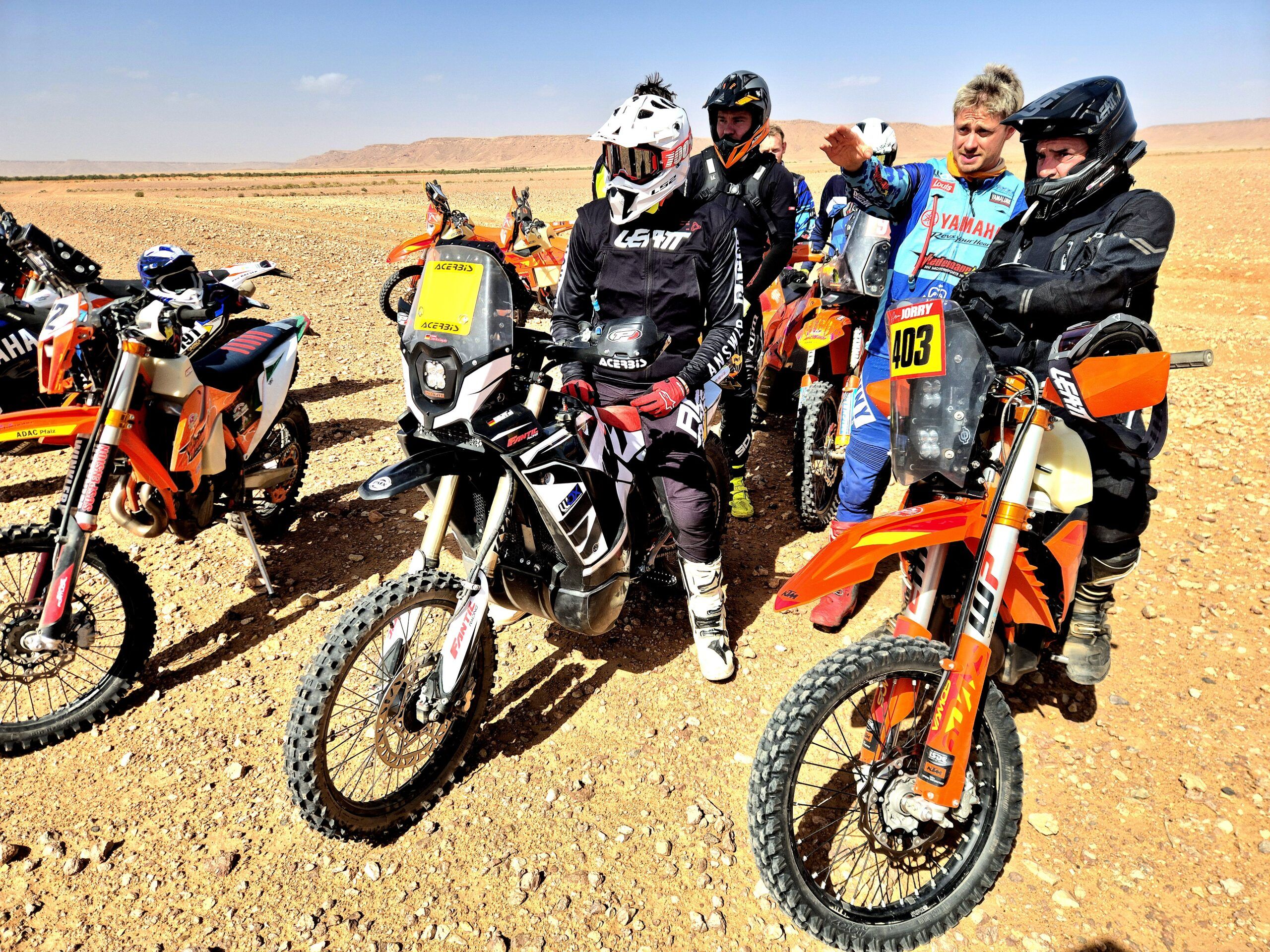
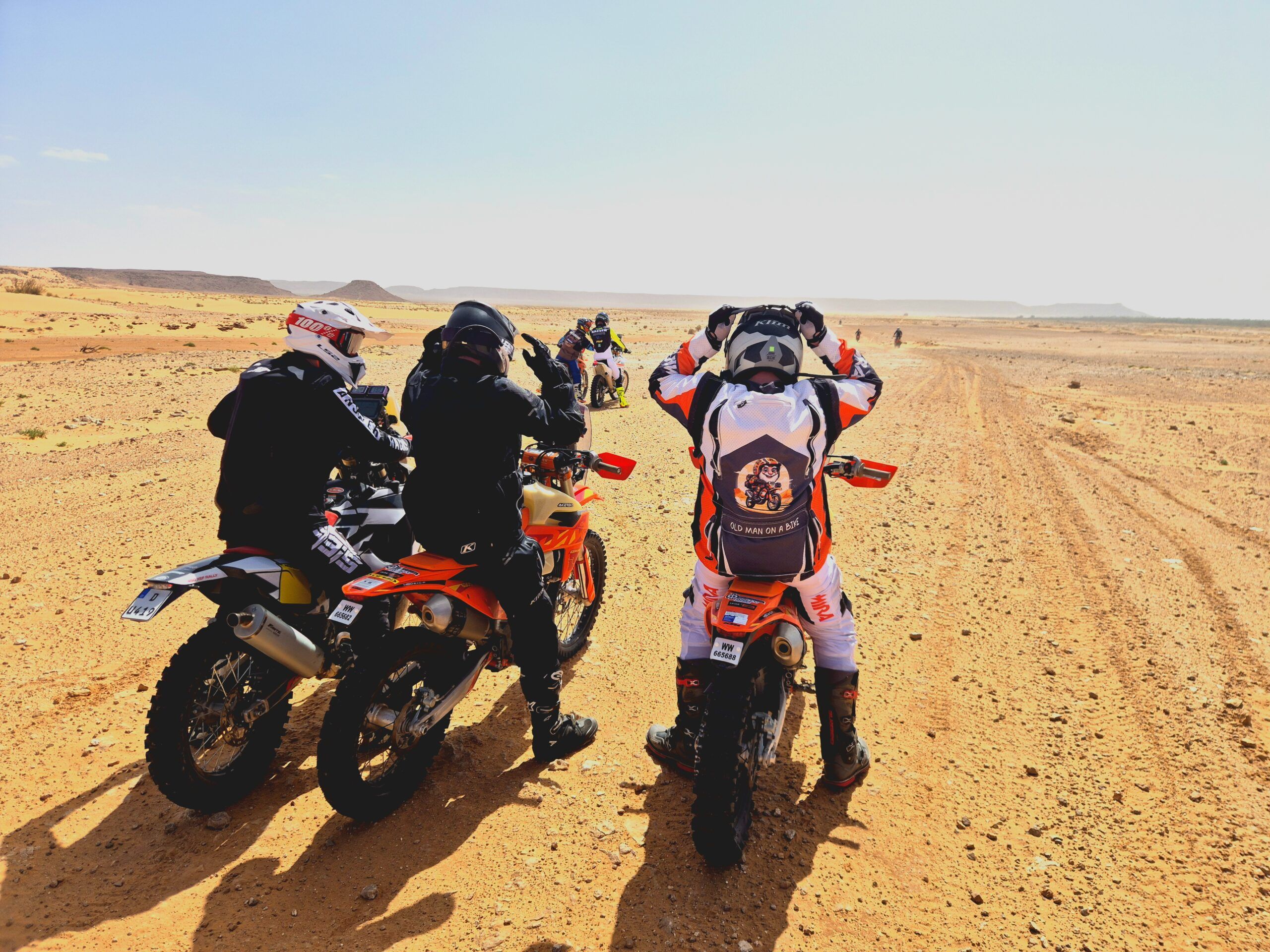
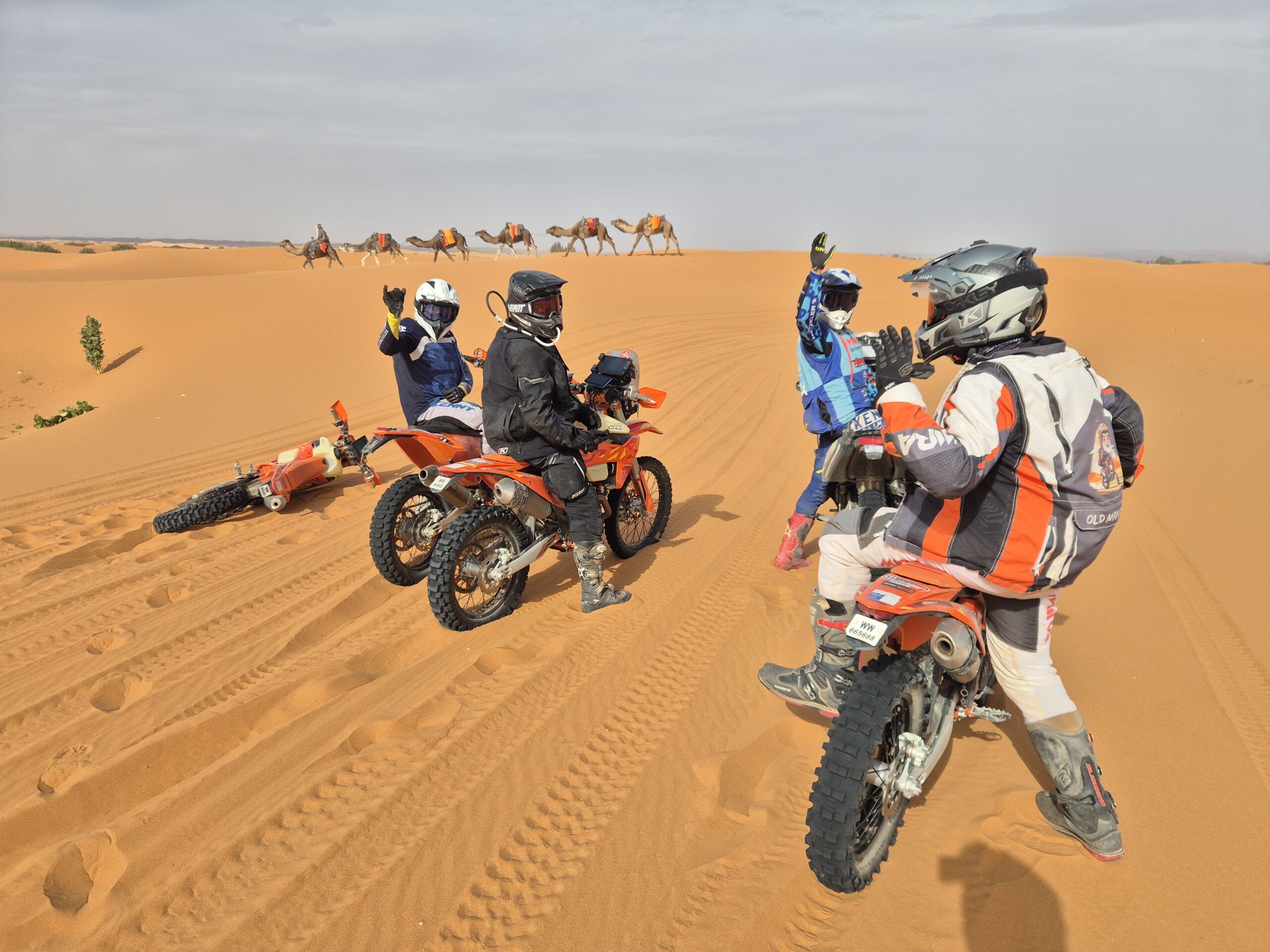
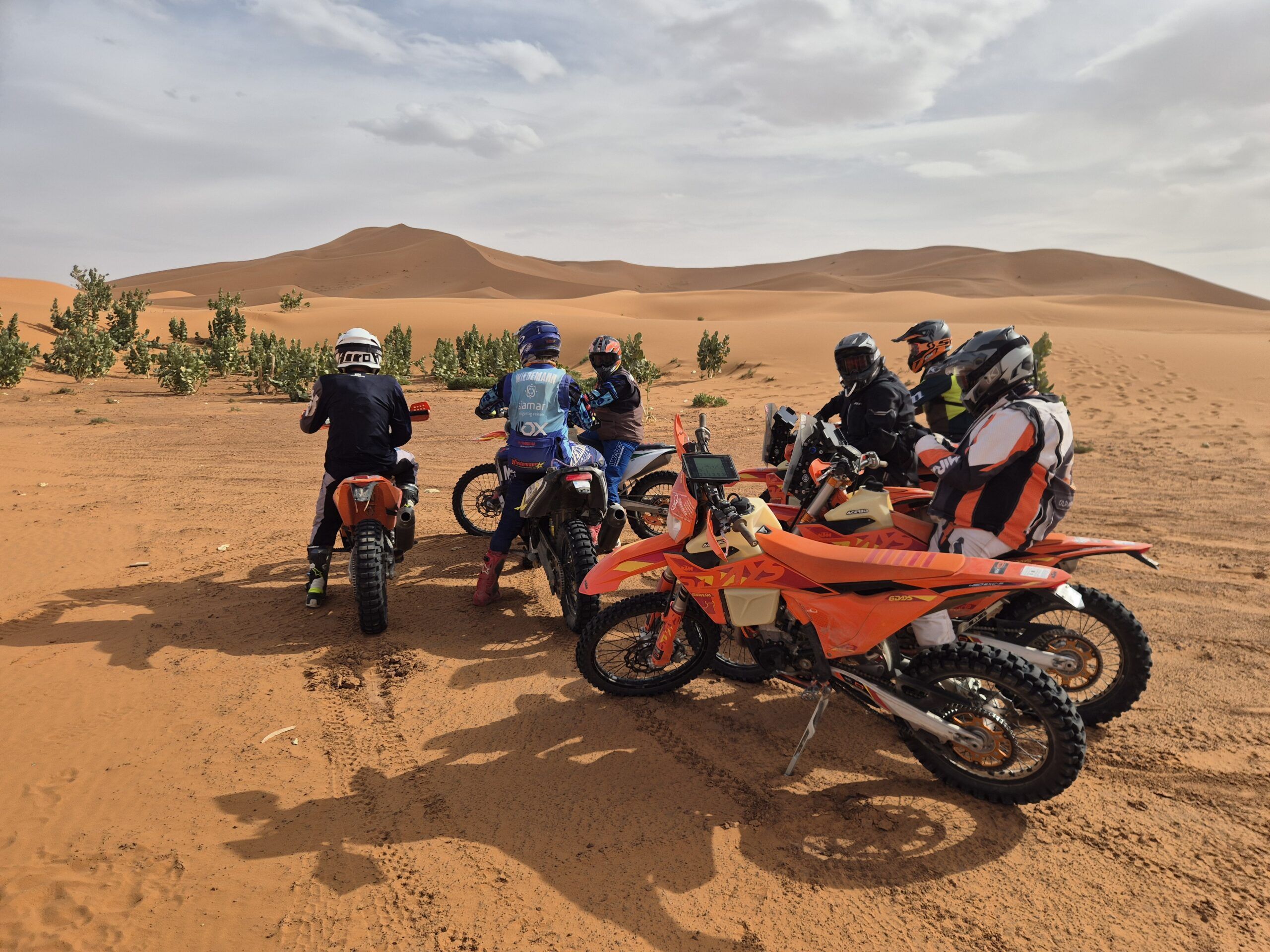
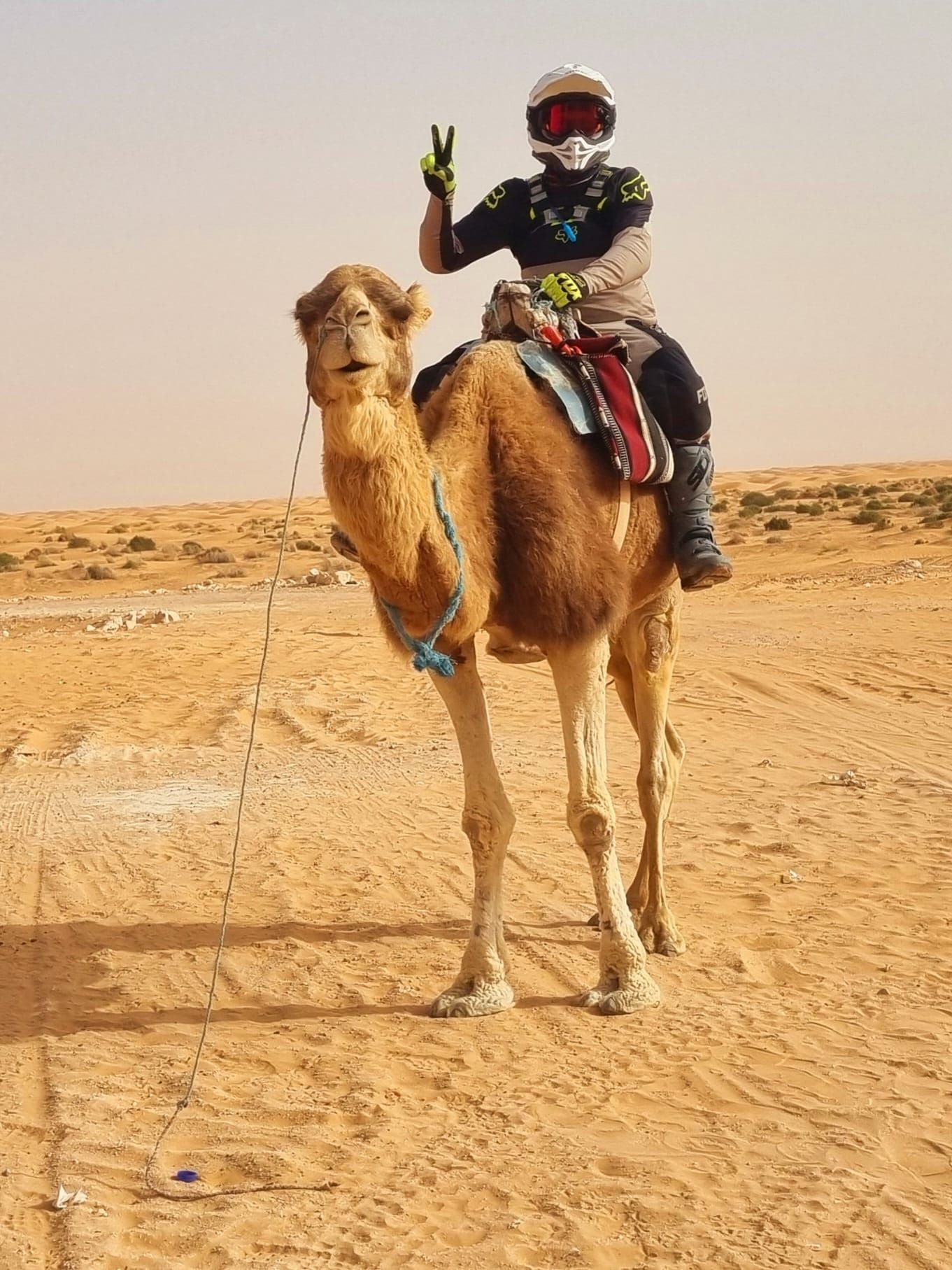
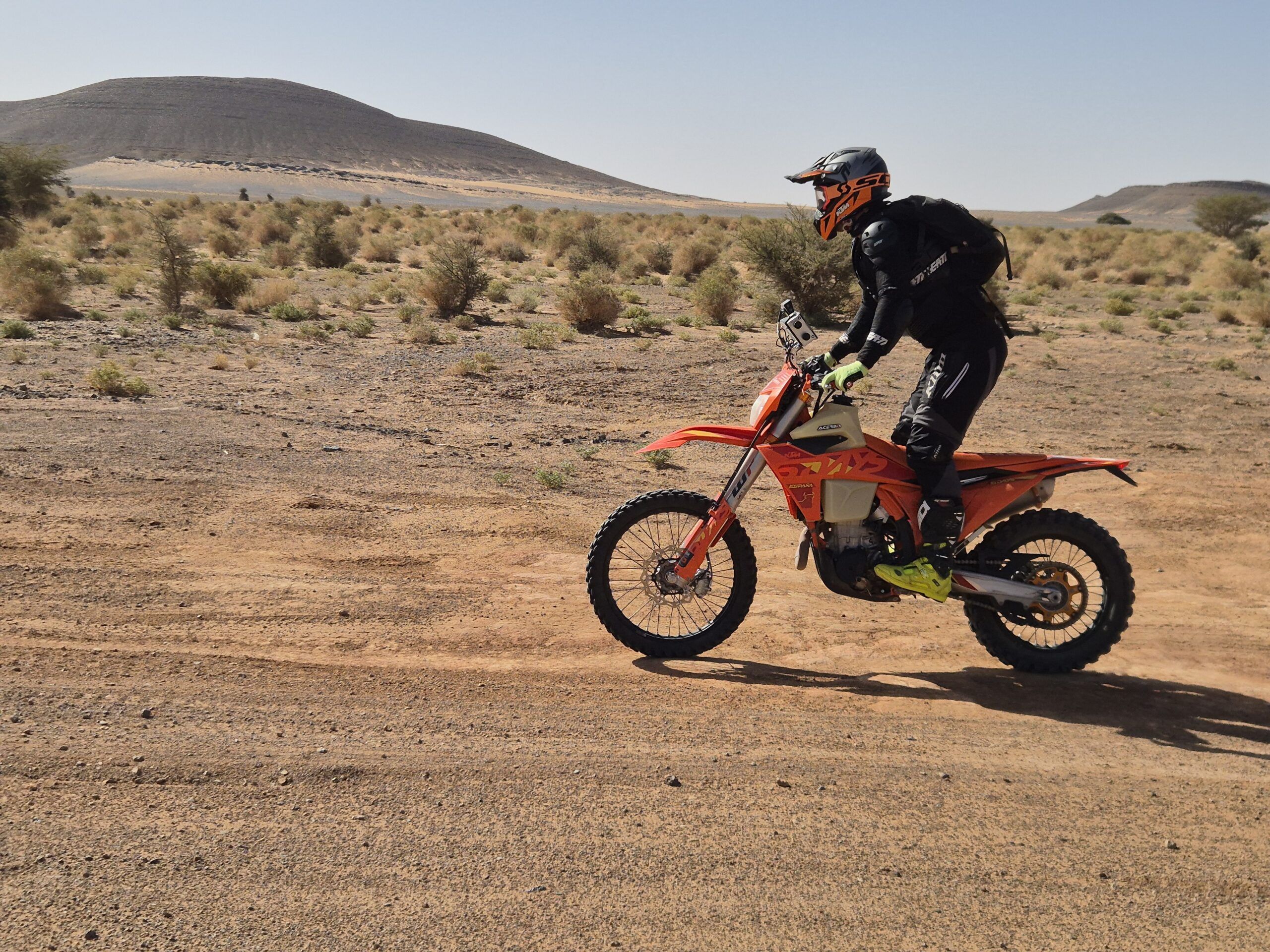
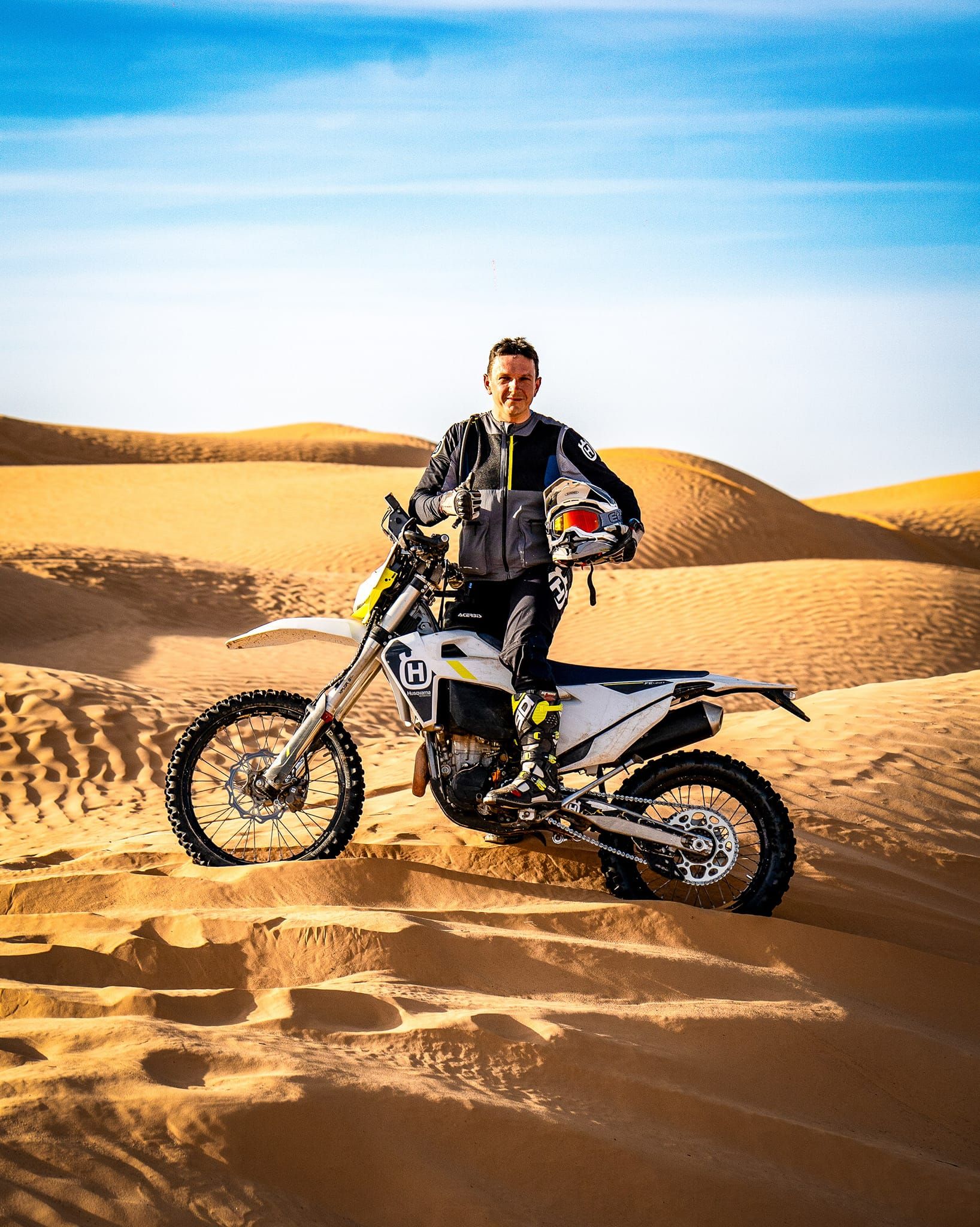
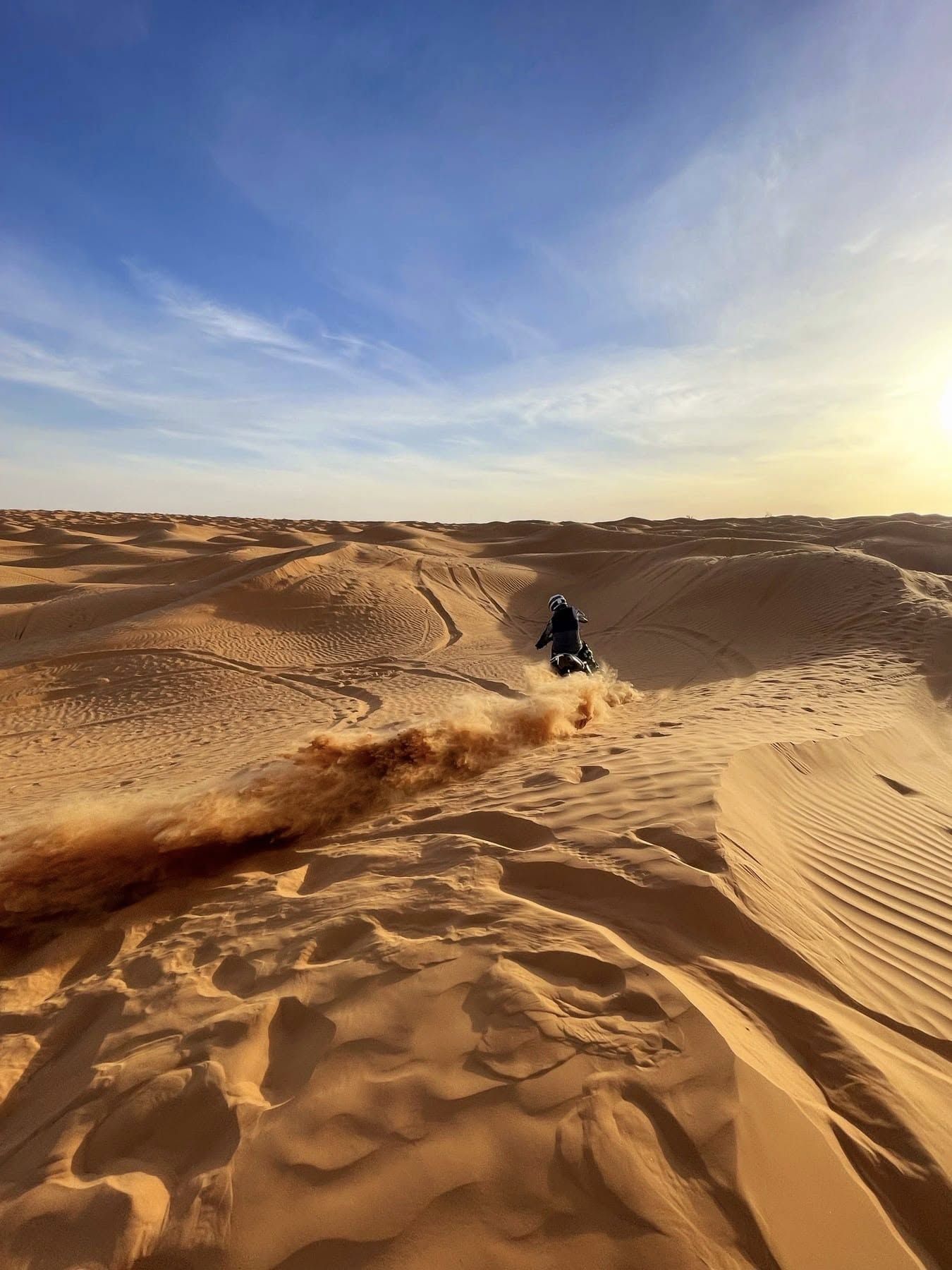
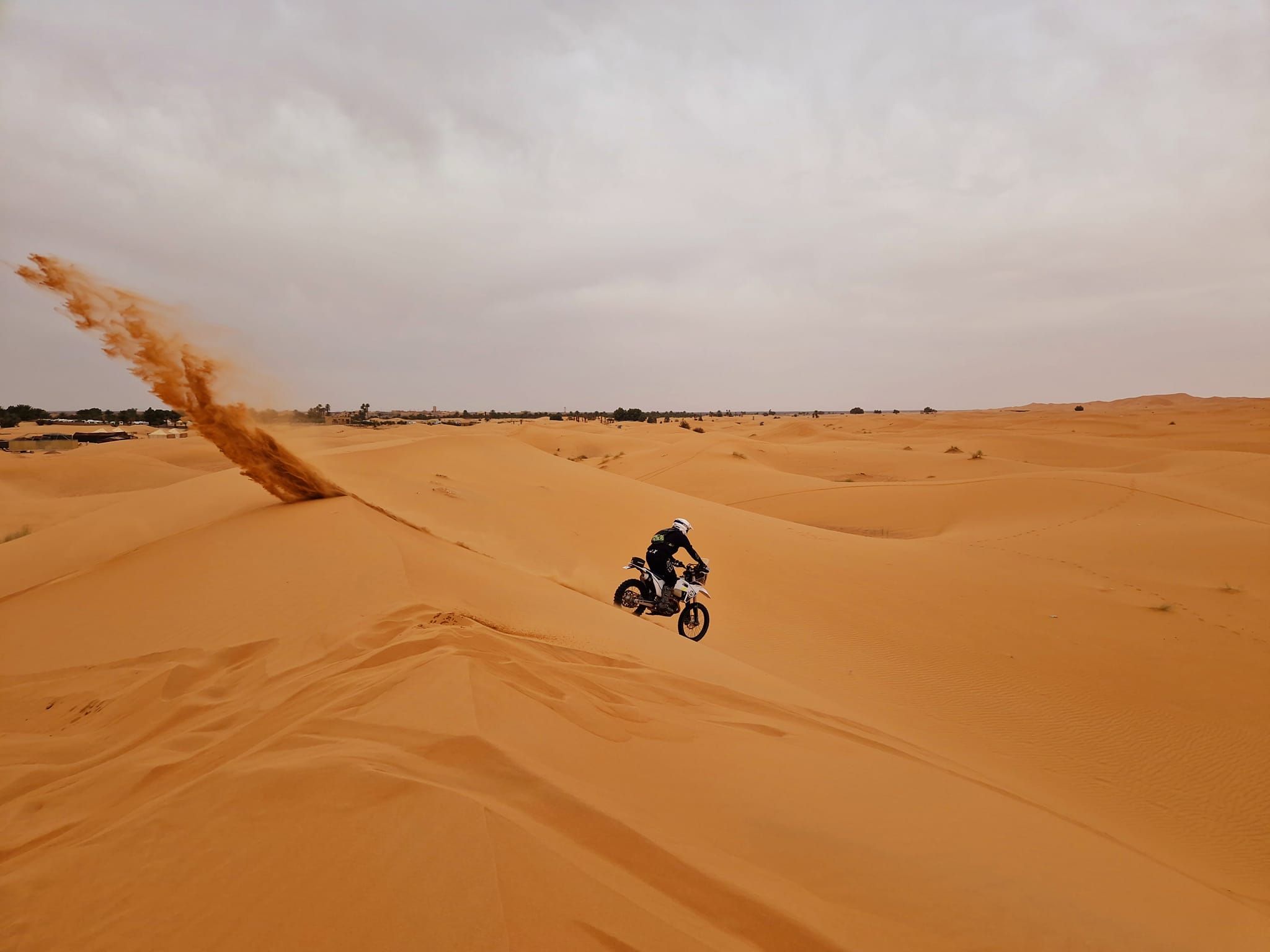
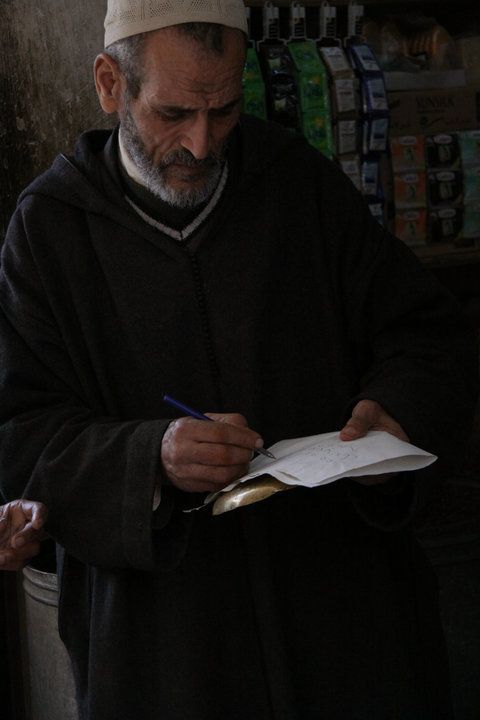
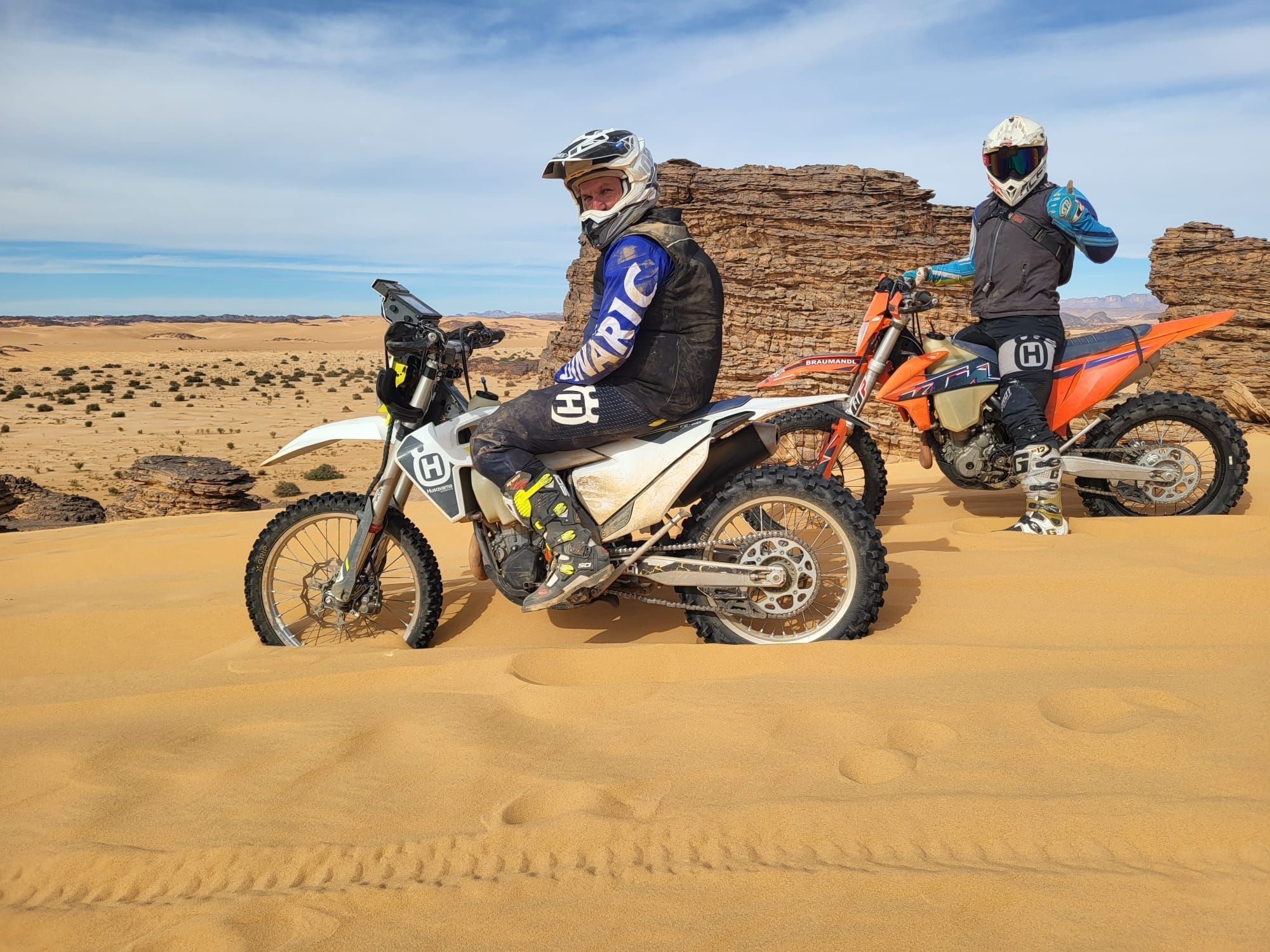
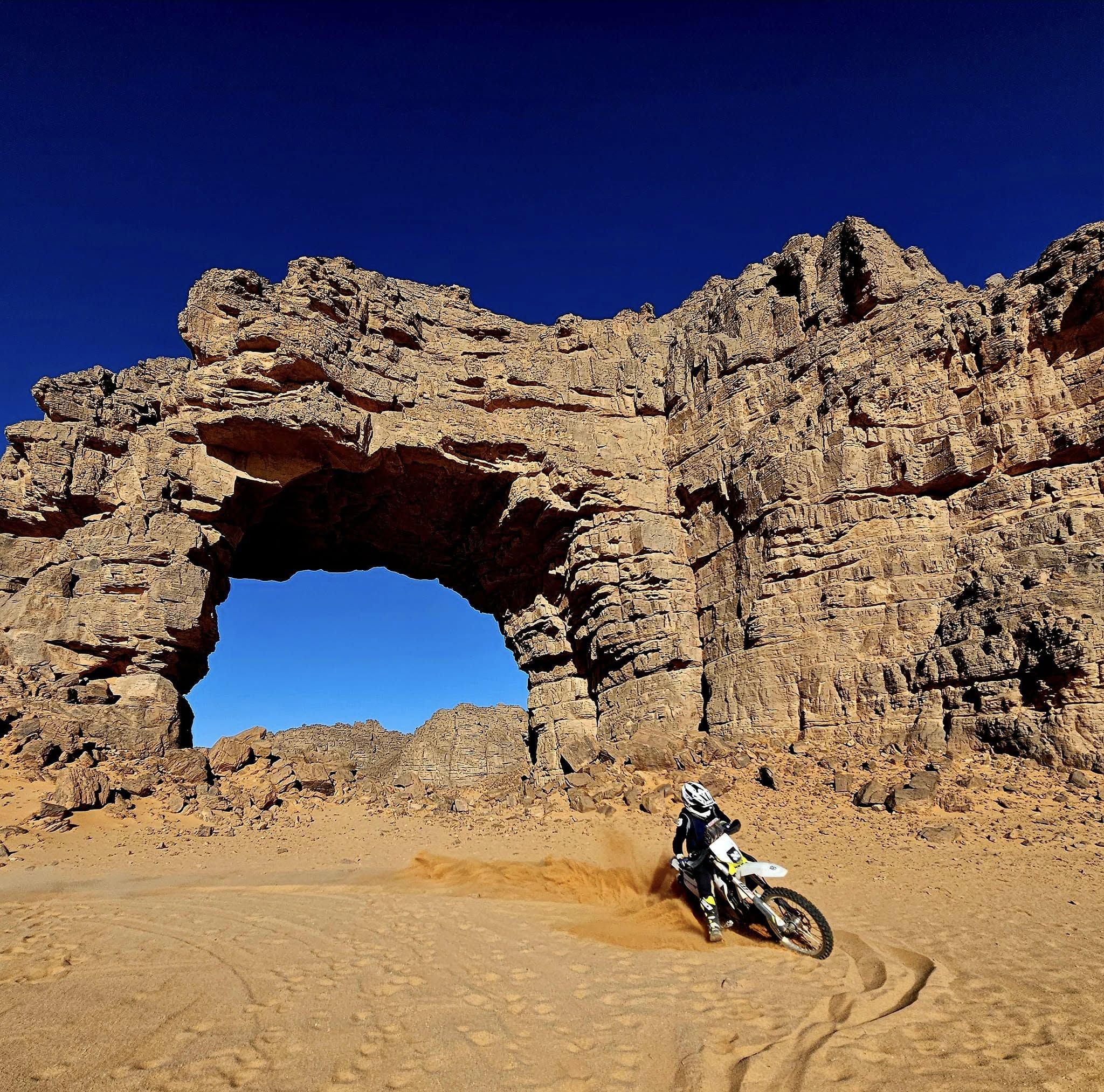
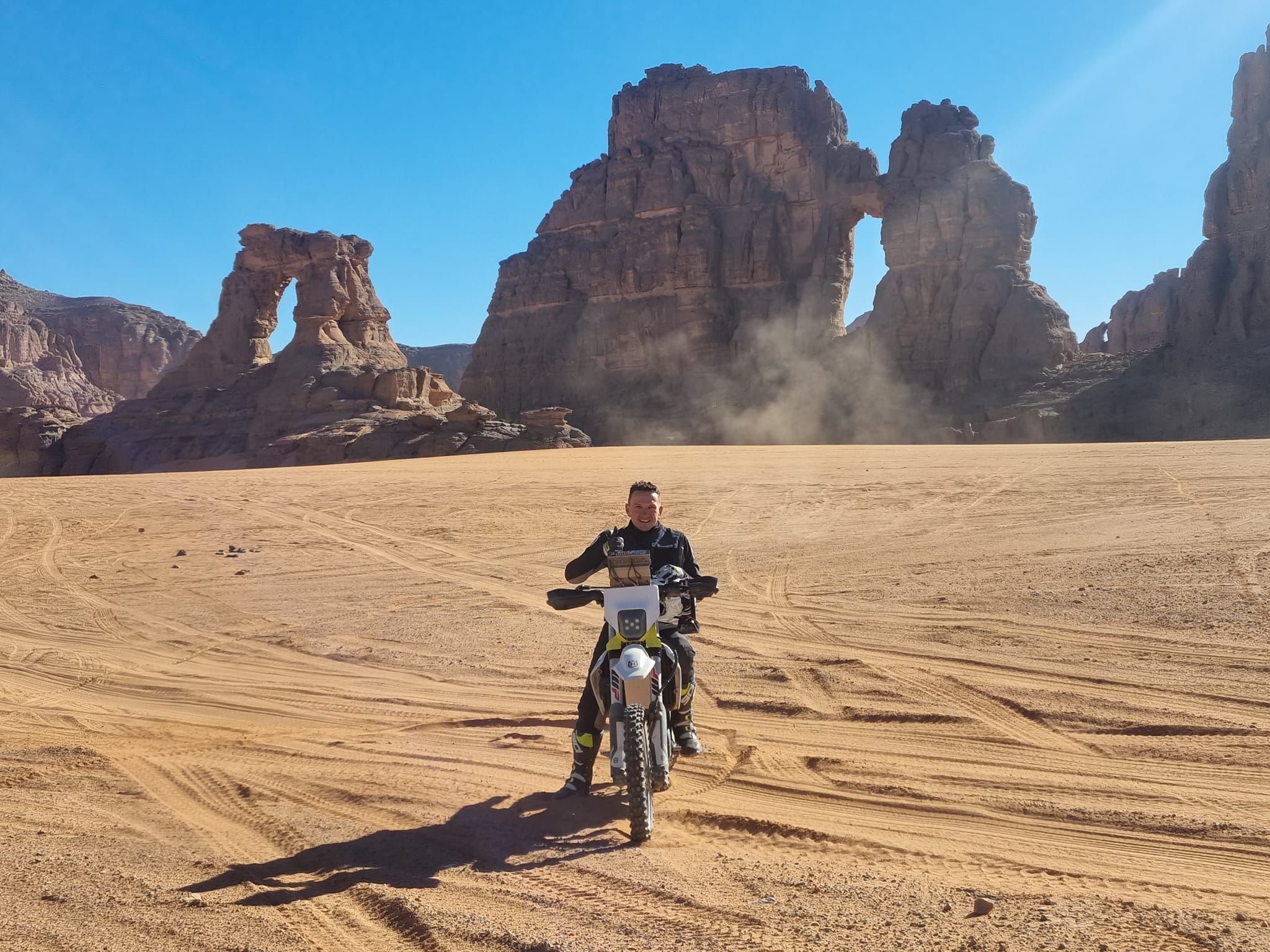
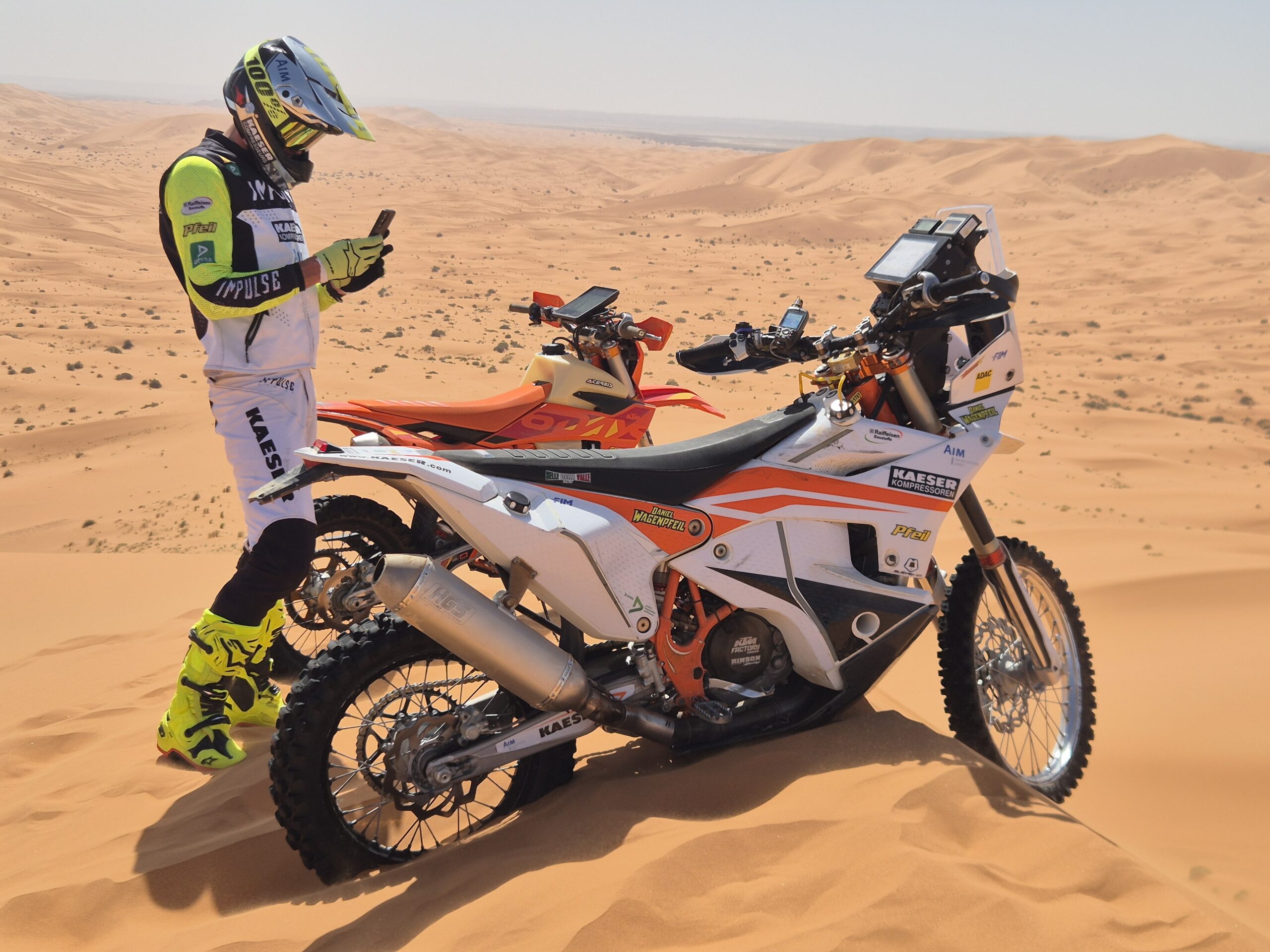
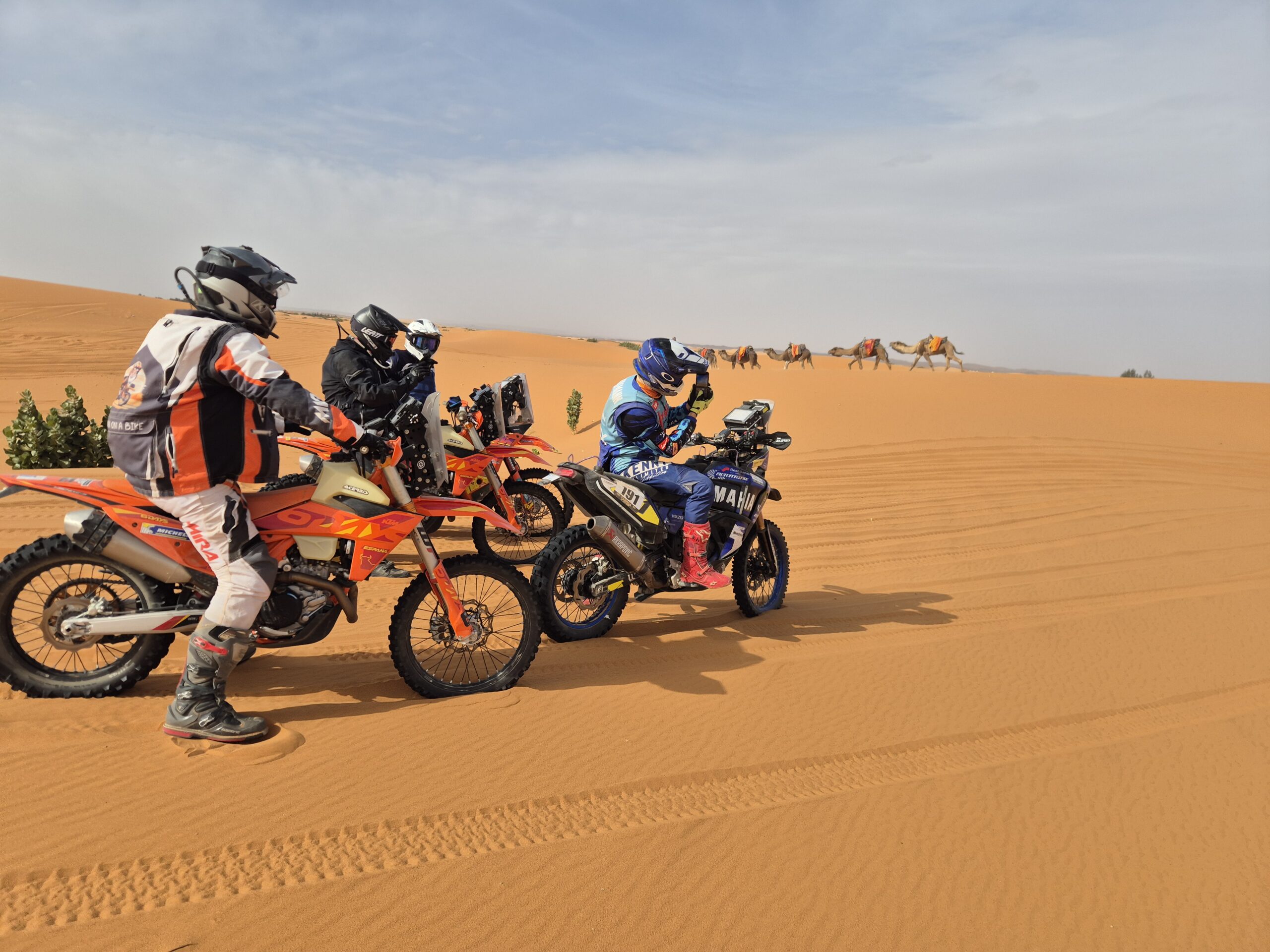
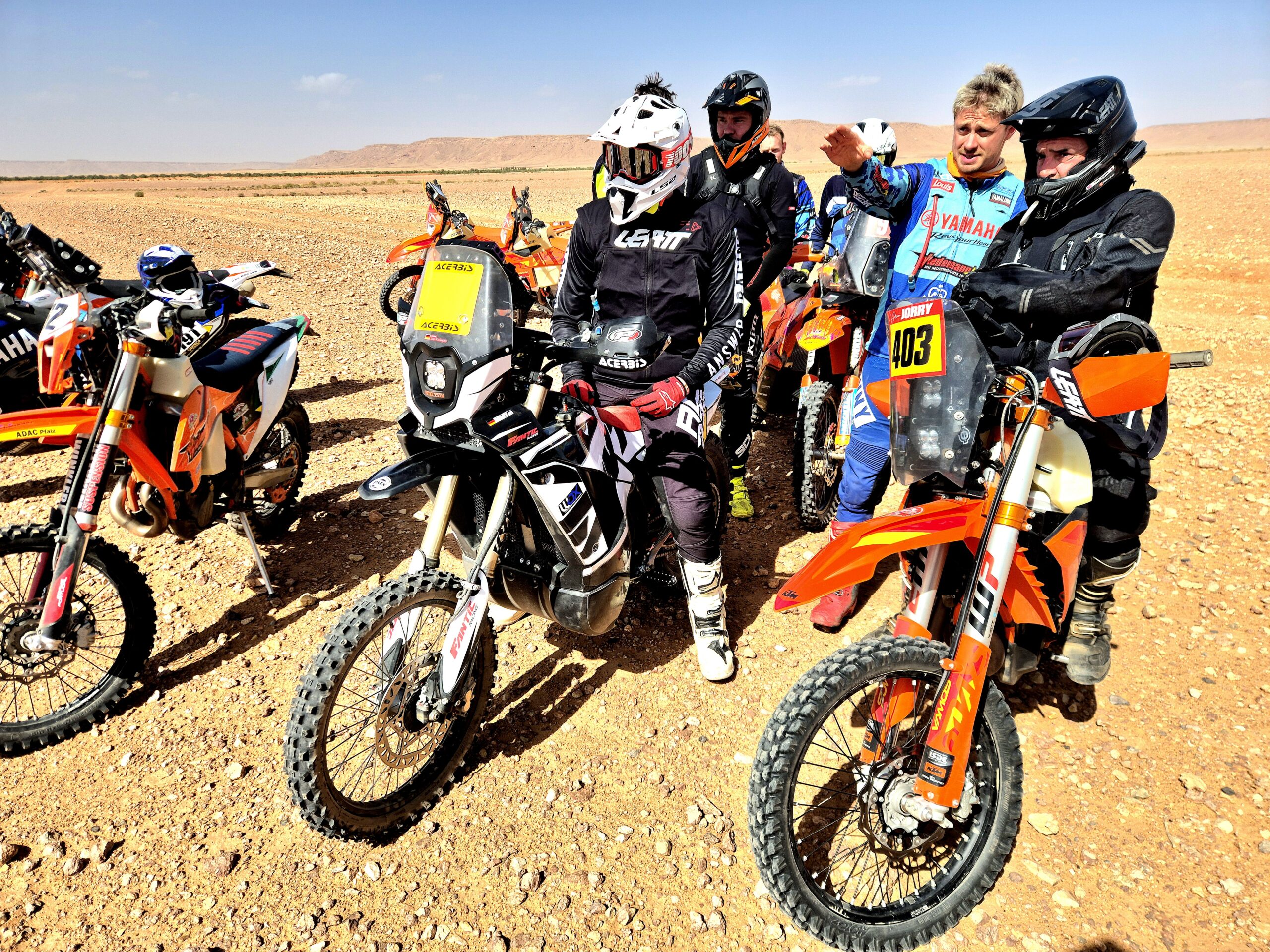
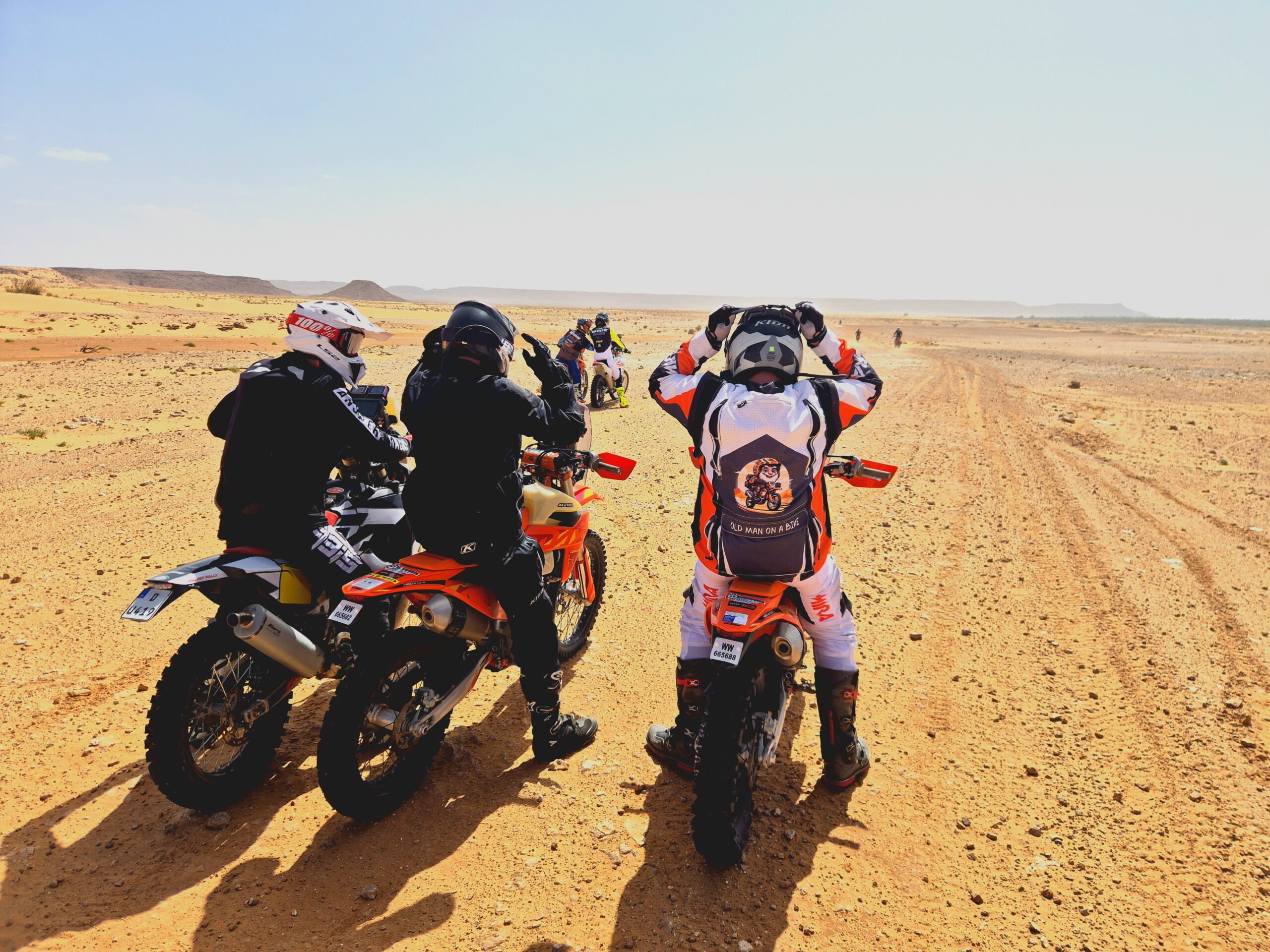
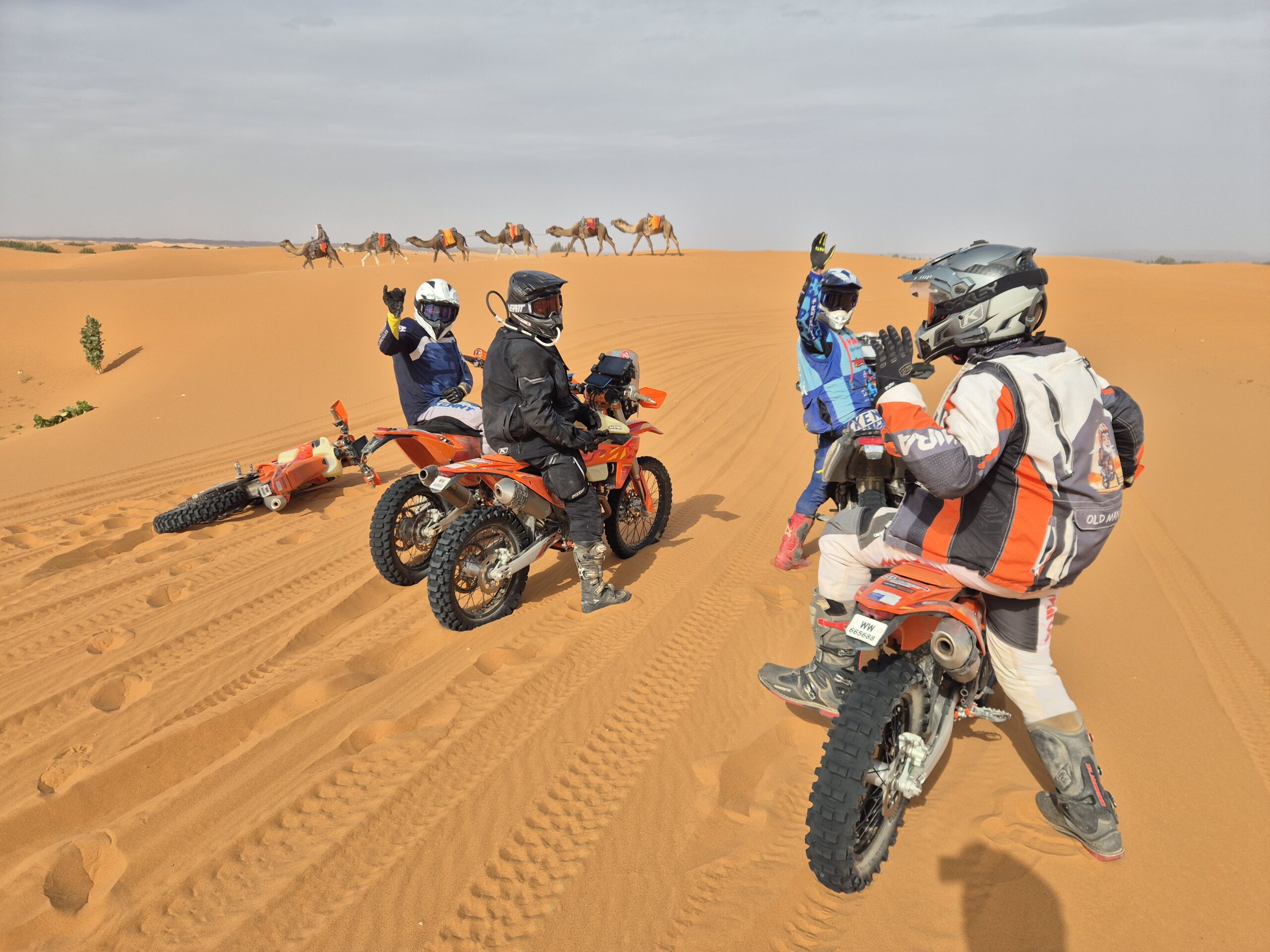
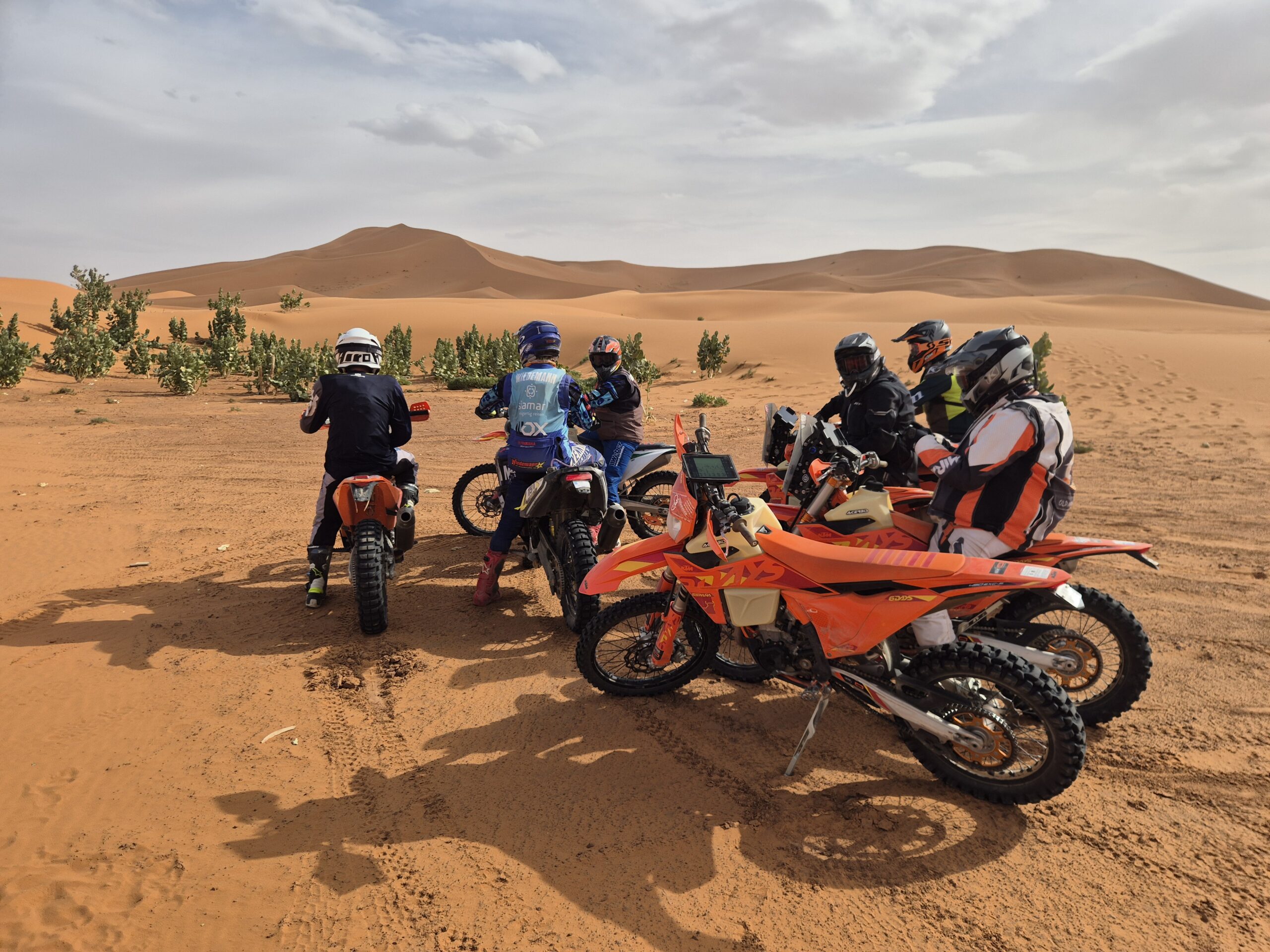
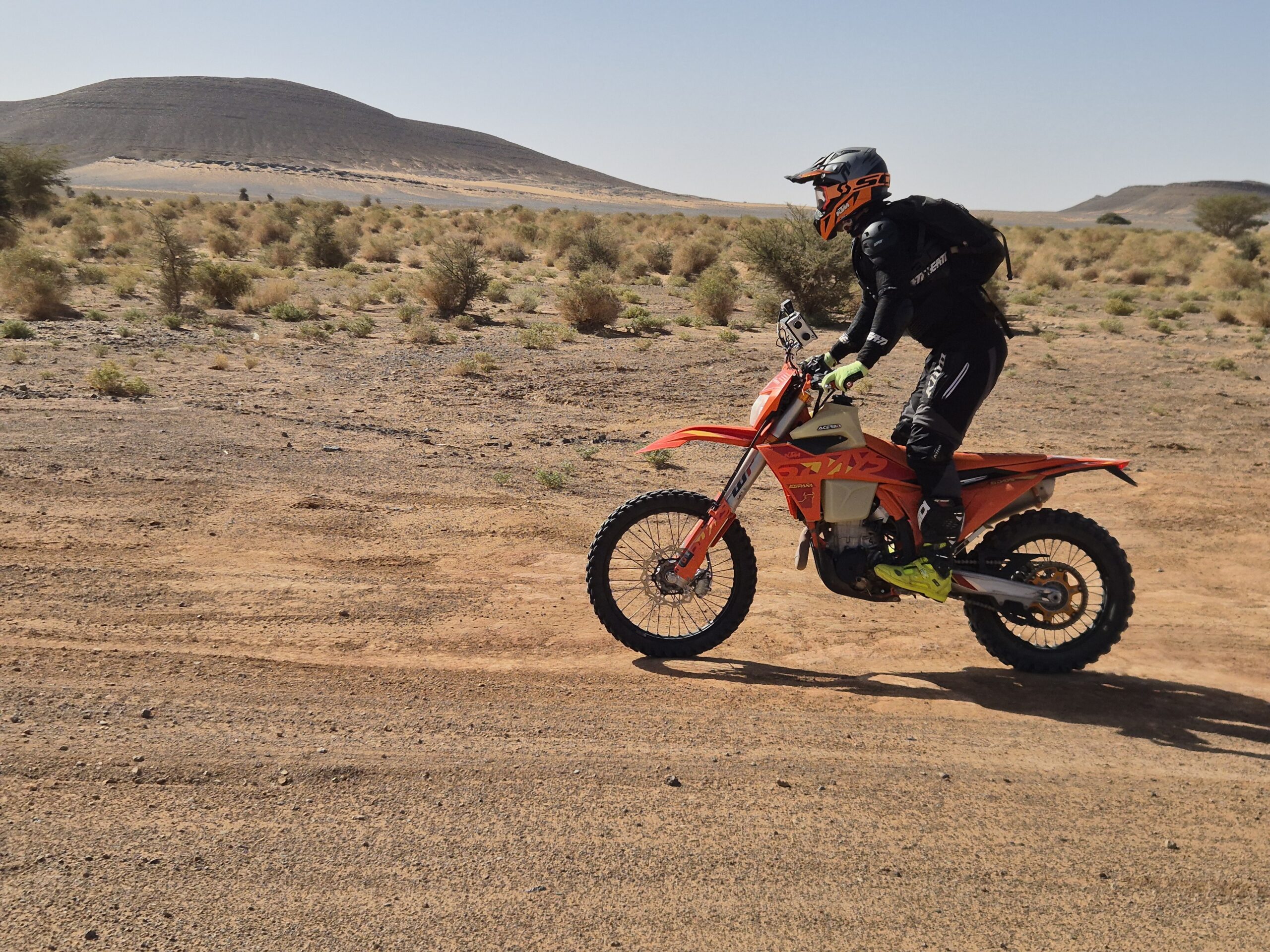
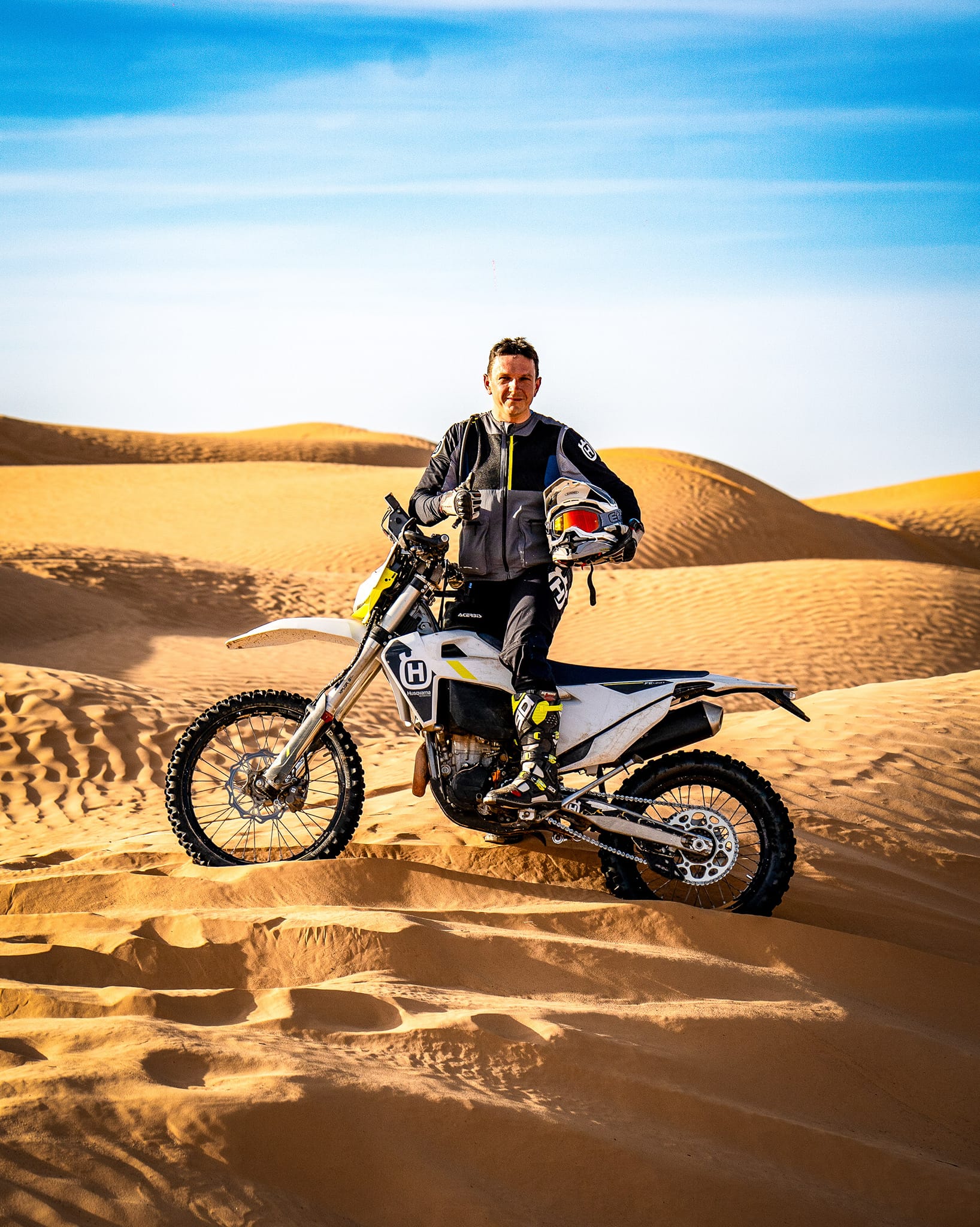

Meet your instructors
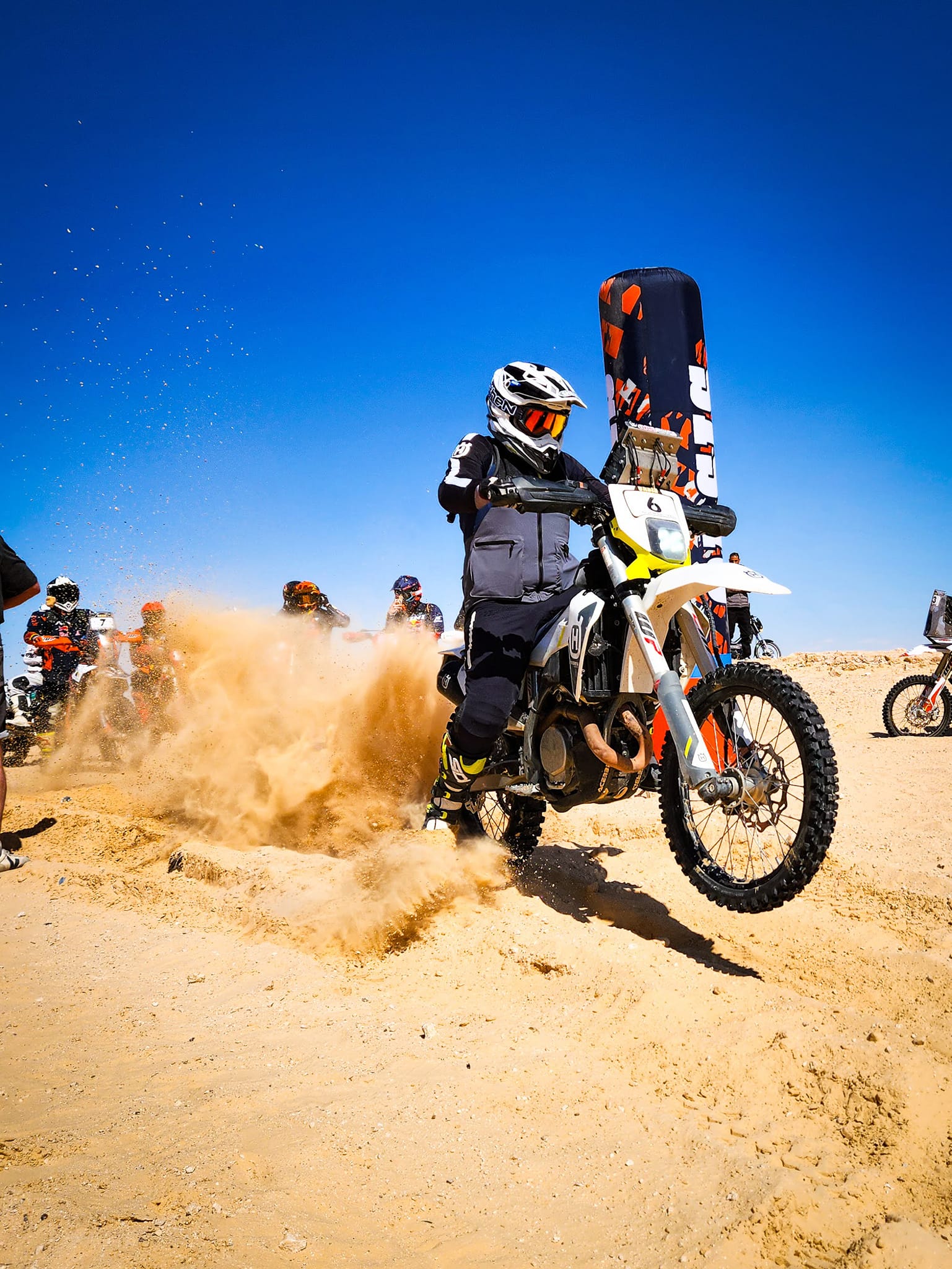
Mike Wiedemann
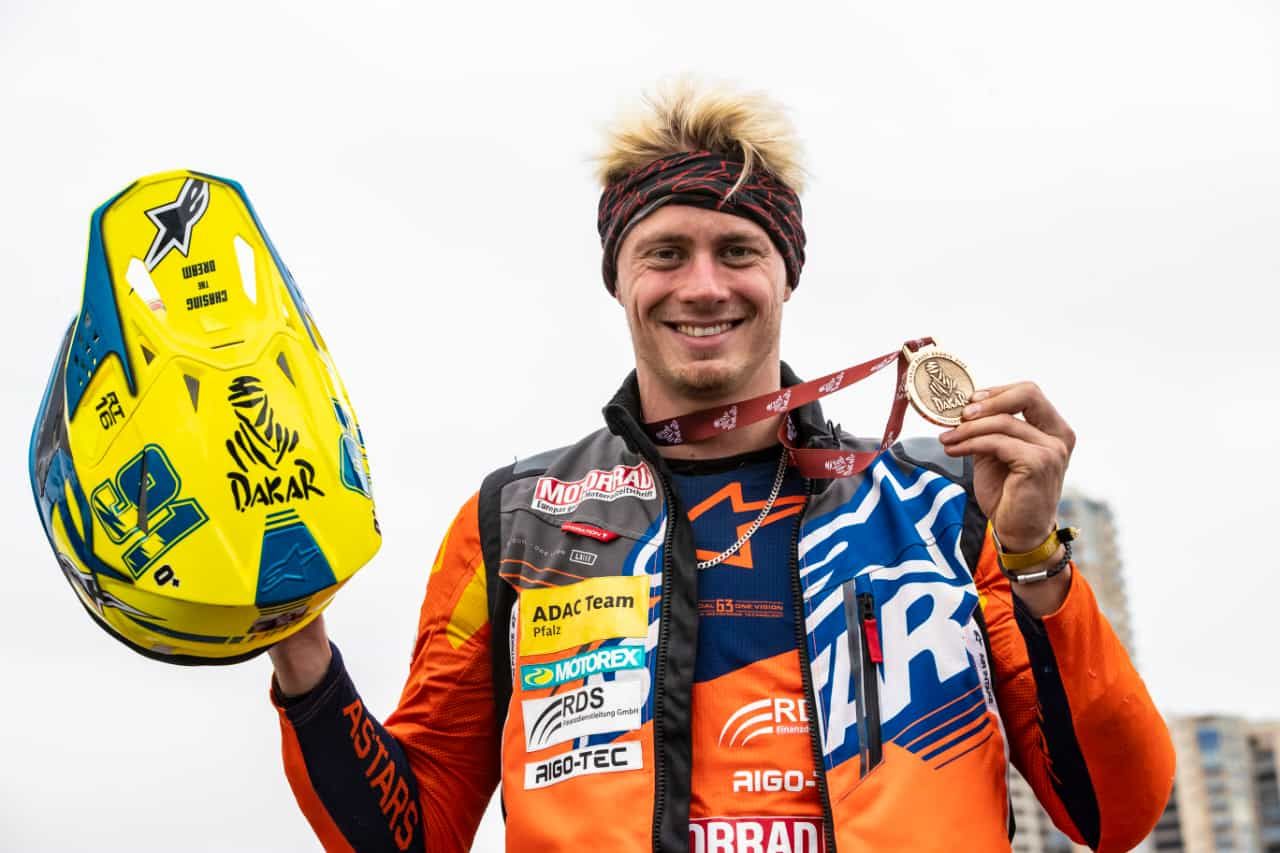
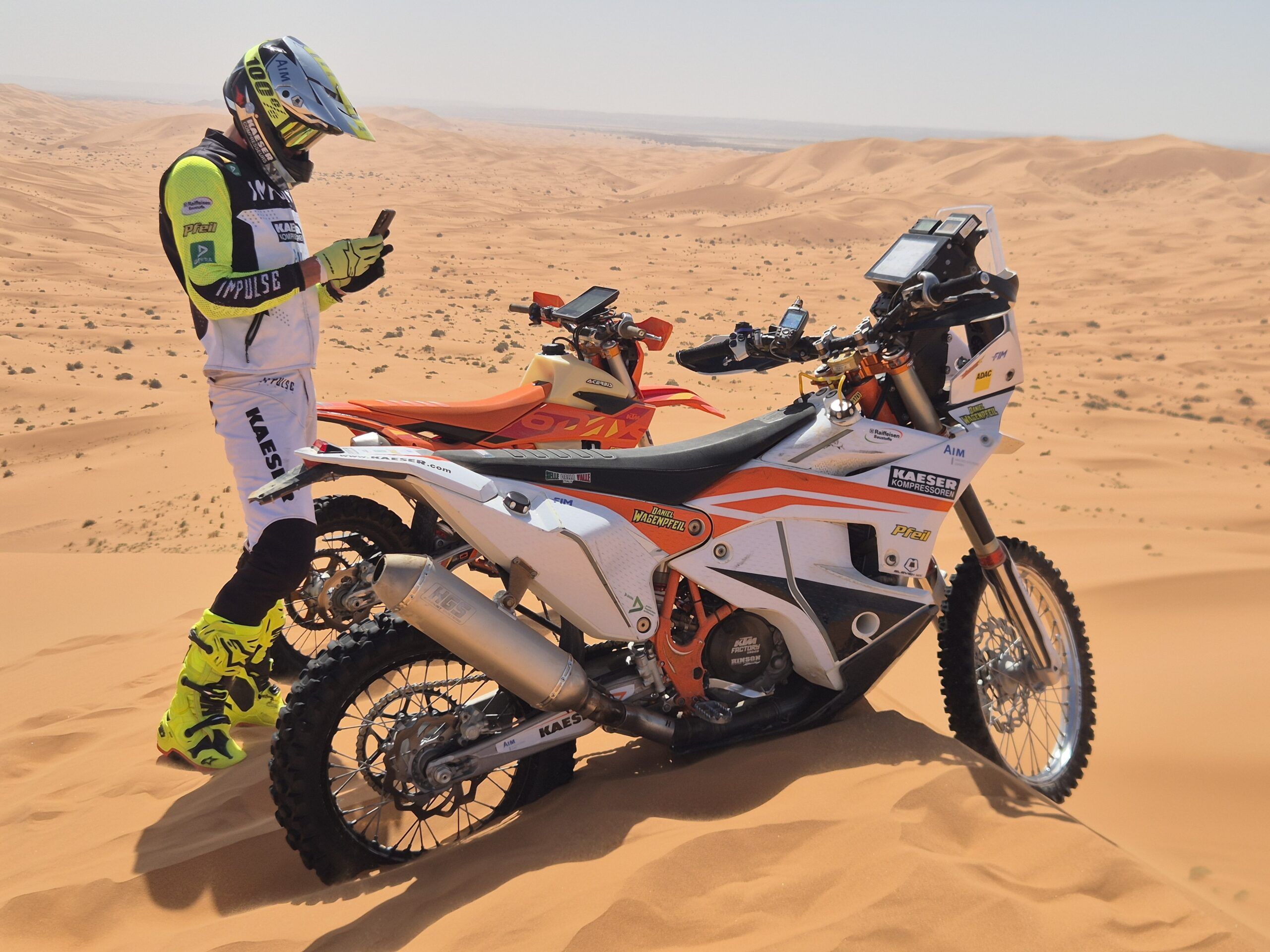
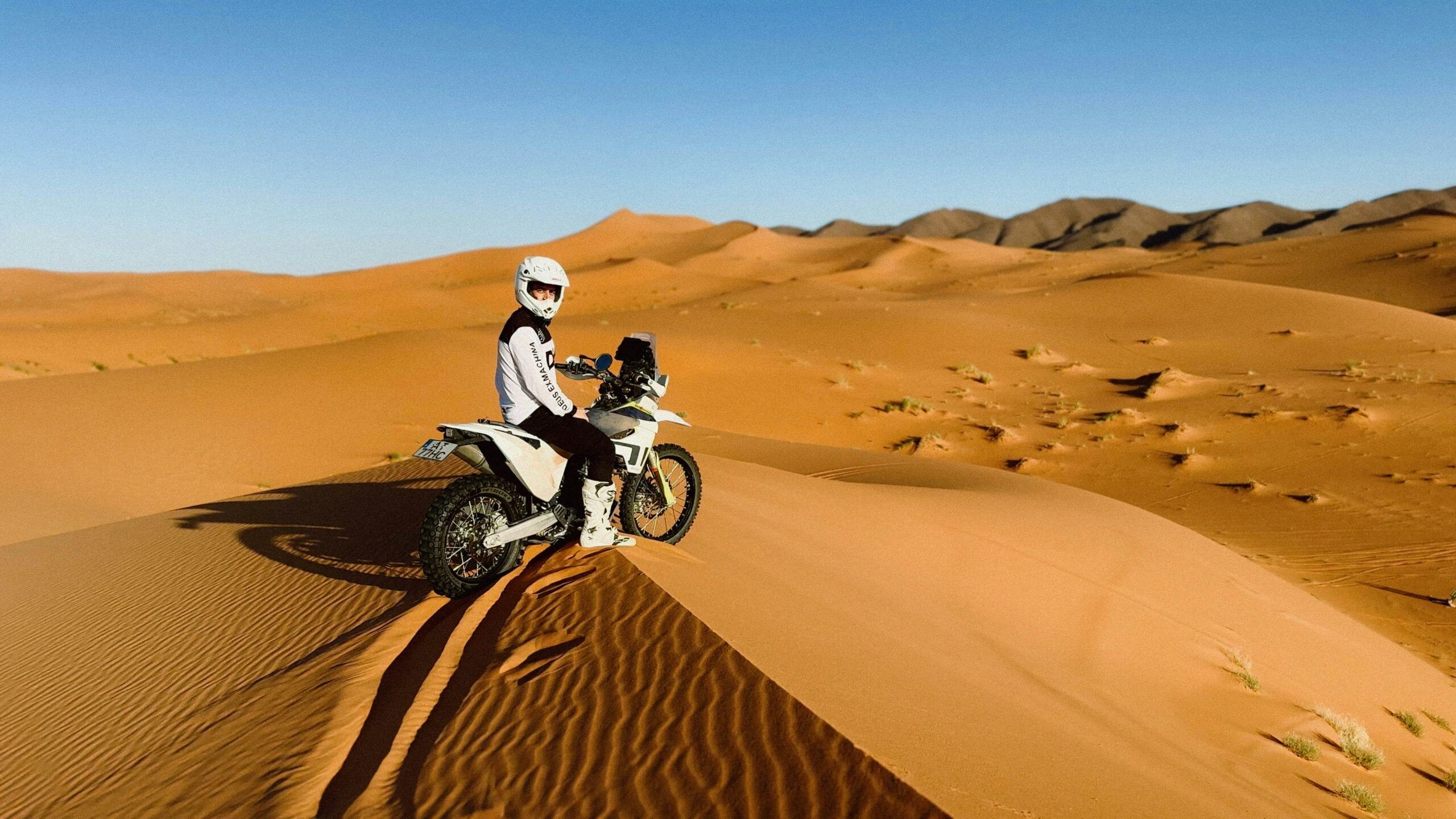
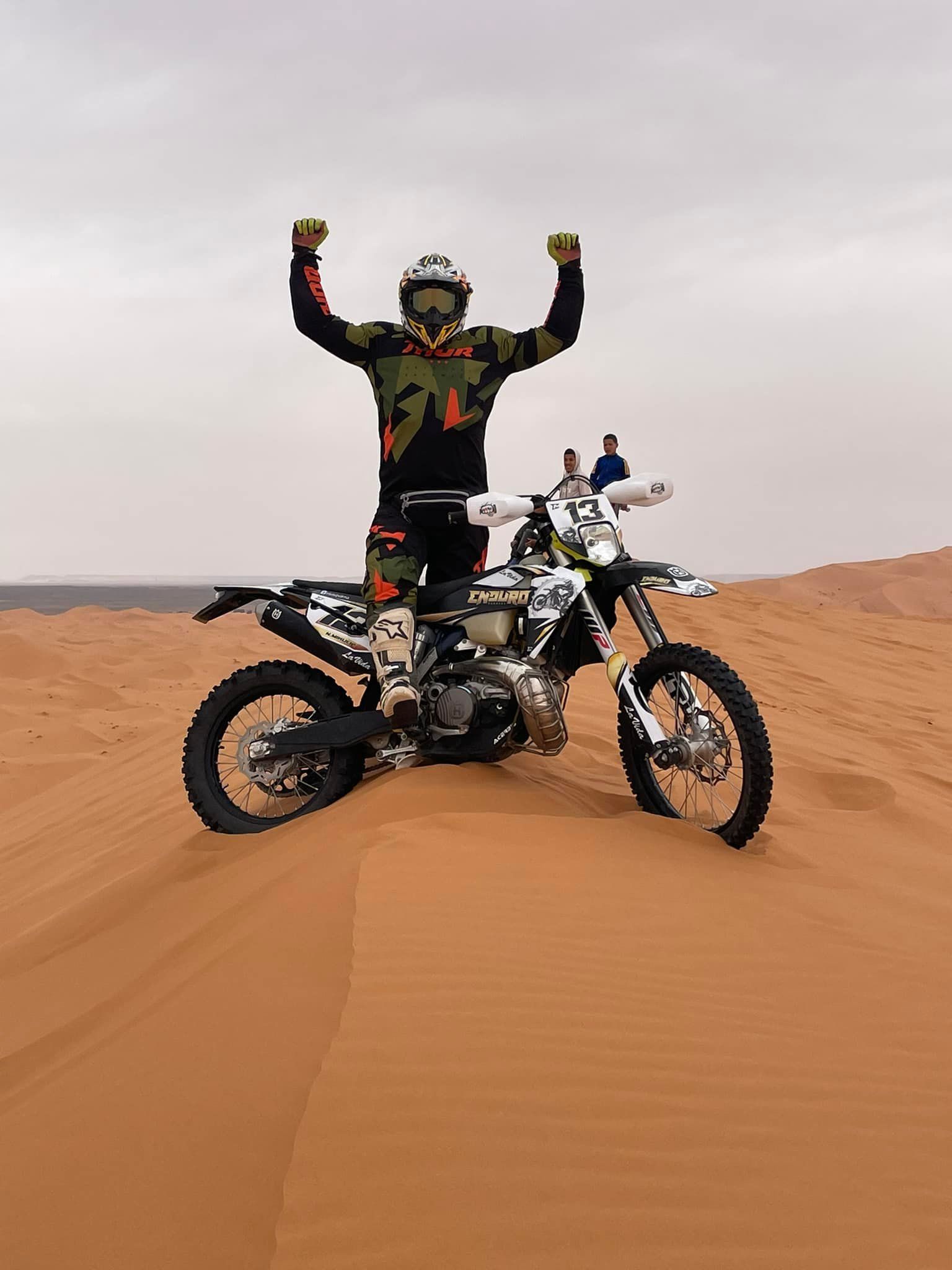
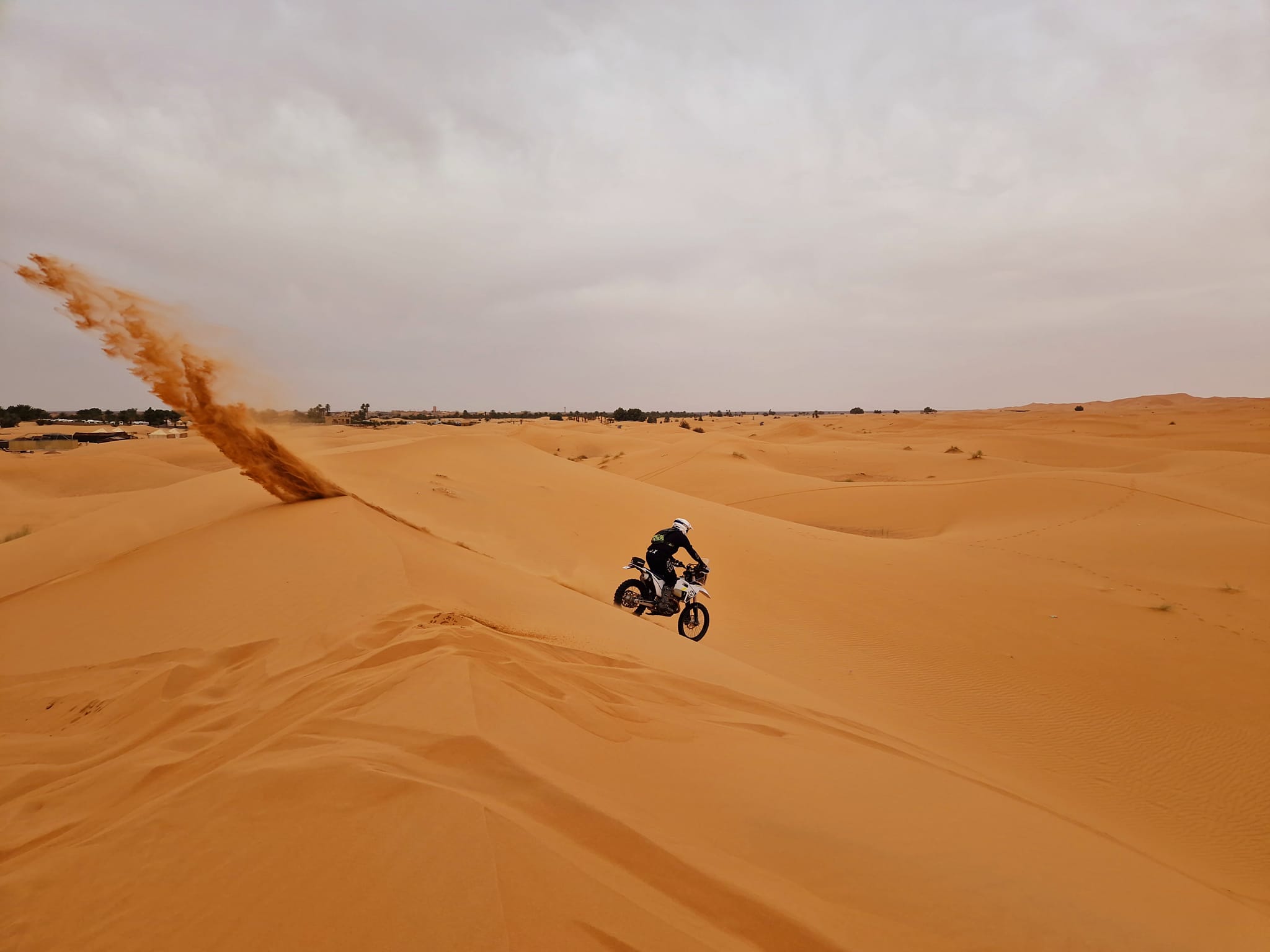
Mike is a two-time Dakar finisher, and Original by Motul stage winner. He is 2025 Dinaric Rally overall winner, with his Ténéré 700!!
He grew up in Germany around bikes, got his first PW50 at four, and broke his femur a few weeks later, which did not slow him down for long. After enduro titles as a teenager, he moved into rally raid and became the youngest German to finish Dakar in 2022. The way he tells it, rally changed his mindset and became his life, and he funds it by coaching and training riders between races.
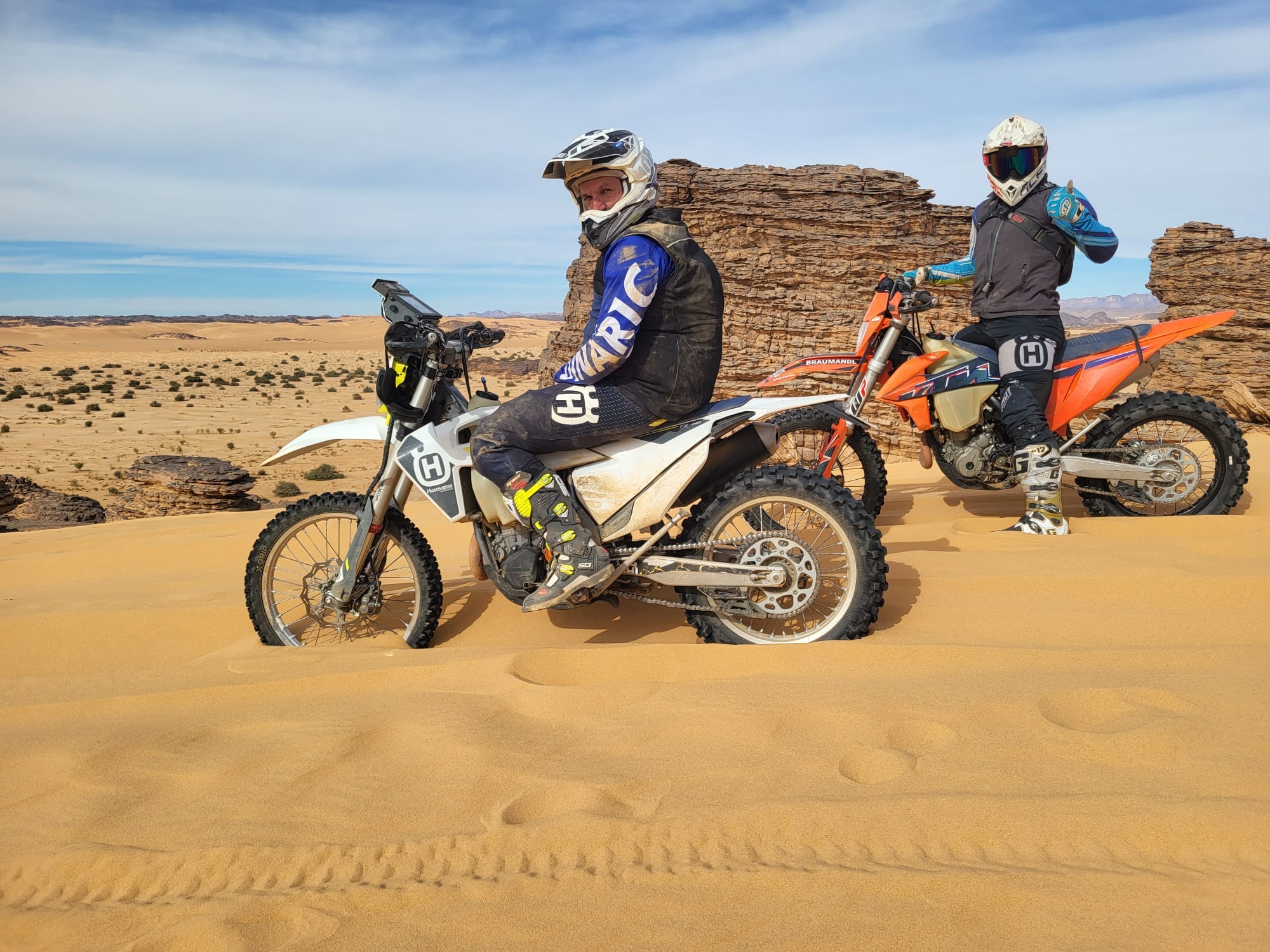
On the ground he is calm and direct, he builds speed through clean roadbook work, CAP discipline, and trip calibration, then layers in decision making under pressure. He likes working with big twins as much as with lightweight enduros, and he proves the point by winning on a Ténéré 700 in the Dinaric mountains. His style is simple, ride smart, ride smooth, become the best version of yourself.
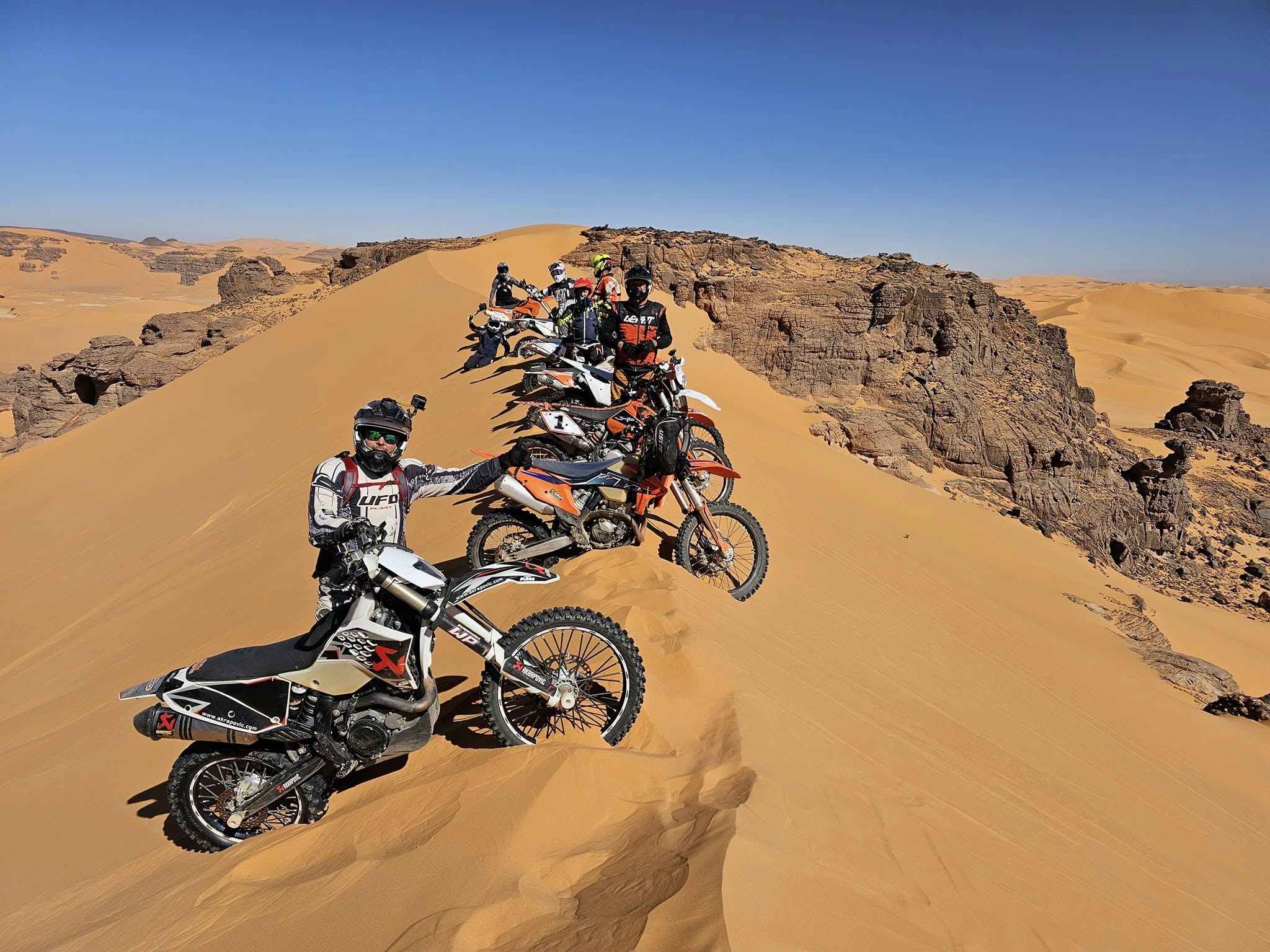
Perica Matijević
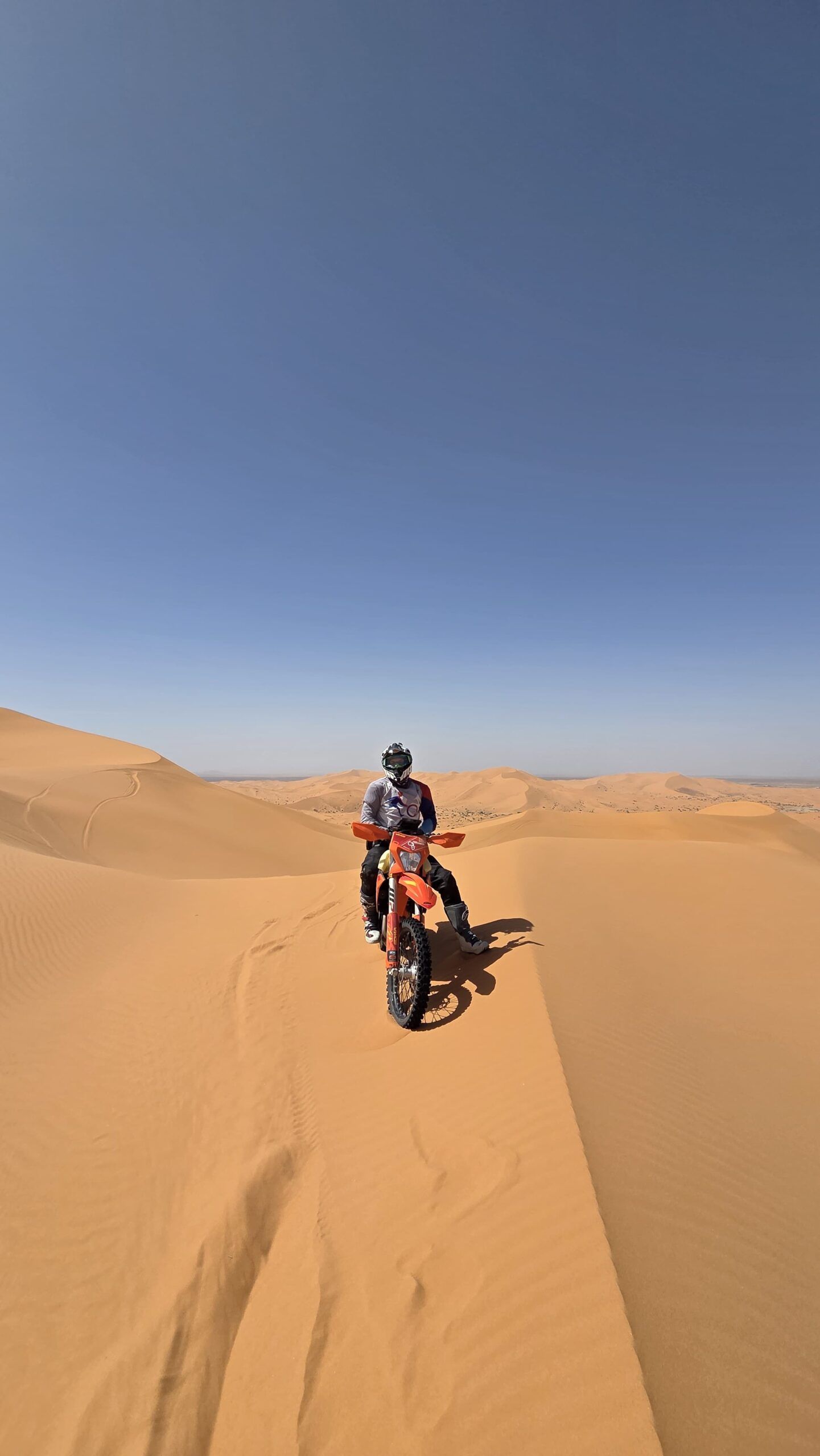
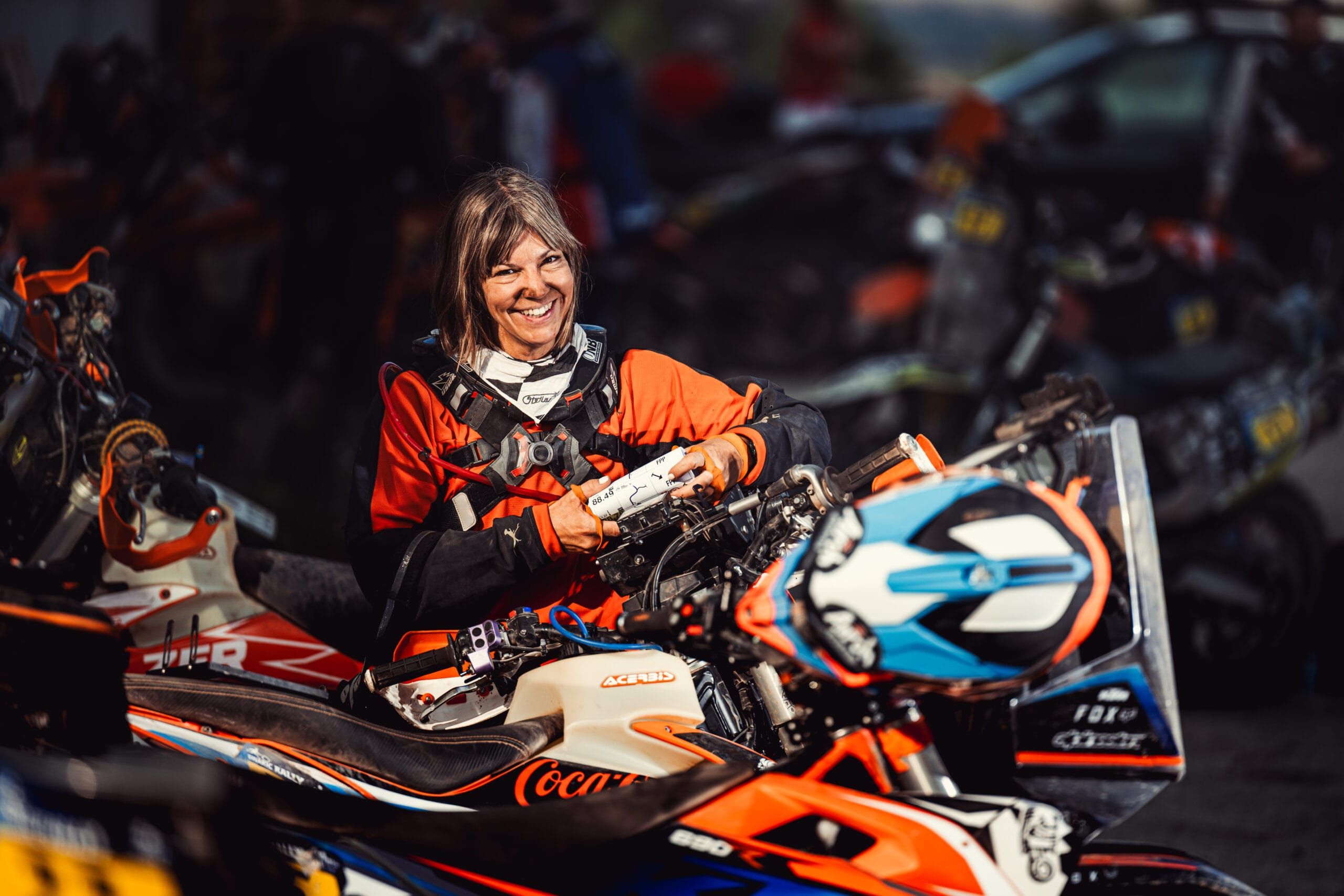
Perica is S&R professional, alpinist, rally organizer and rider, adventurer and forevenr restless spirit. Since 2011 he has been a passionate off-road motorcyclist. He is actively improving himself and transferring his knowledge through UNTAMED Academy training and mentoring. Founder and organizer of UNTAMED and the Dinaric Rally, organizer of Zagreb Rally and The Witch Rally. Designs and leads the Untamed Riding Academy program.
Participation requirements
Health and experience
-
Good fitness for off-road riding.
-
Basic off-road skills required.
Documents and insurance
-
Valid driving license, vehicle registration, third-party liability insurance.
-
International health insurance with emergency repatriation for the full training period.
-
ID documents. Green Card for border crossing the border.
- ATA Carnet in case we you are importing your bike in Morocco
Mandatory protective gear
-
Helmet, goggles or visor, off-road boots, gloves.
-
Knee, elbow and shoulder protection, back and chest protector.
-
Hydration pack 2 to 3 liters.
Motorcycle
-
Mechanically sound. Brakes, chain, bearings and cooling in order.
-
Skid plate and handguards. Lights working, dB-killer if required by law.
-
Tires for hard, rocky terrain. Mousse or heavy-duty tubes recommended. Adjust pressures to conditions.
-
Fuel range adequate for planned stages.
- Deductible insurance / deposti if you rent the bike from us
Navigation and electrics
-
Roadbook holder
- 2 x Tripmetar recomended but not mandatory
-
Tidy wiring with fuses. Quick pre-start check every day.
- Wiring prepared for the tracker: https://untamedacademy.com/motorcycle-tracking-devices/
Personal tools and consumables
-
Basic toolkit, zip ties, tape, tire irons.
-
Spare brake and clutch levers, air filter or prefilter, oil and lubricant.
-
Personal first-aid kit and any medications. Water, energy snacks, sunscreen.
On-site admin
-
Sign waiver and media consent before riding.
-
Tracker deposit (100 Eur), refunded on proper return.
We ask for this to keep you safe, keep the group moving smoothly, and spend as much time as possible riding and learning.
From First Roadbook to Desert Confidence
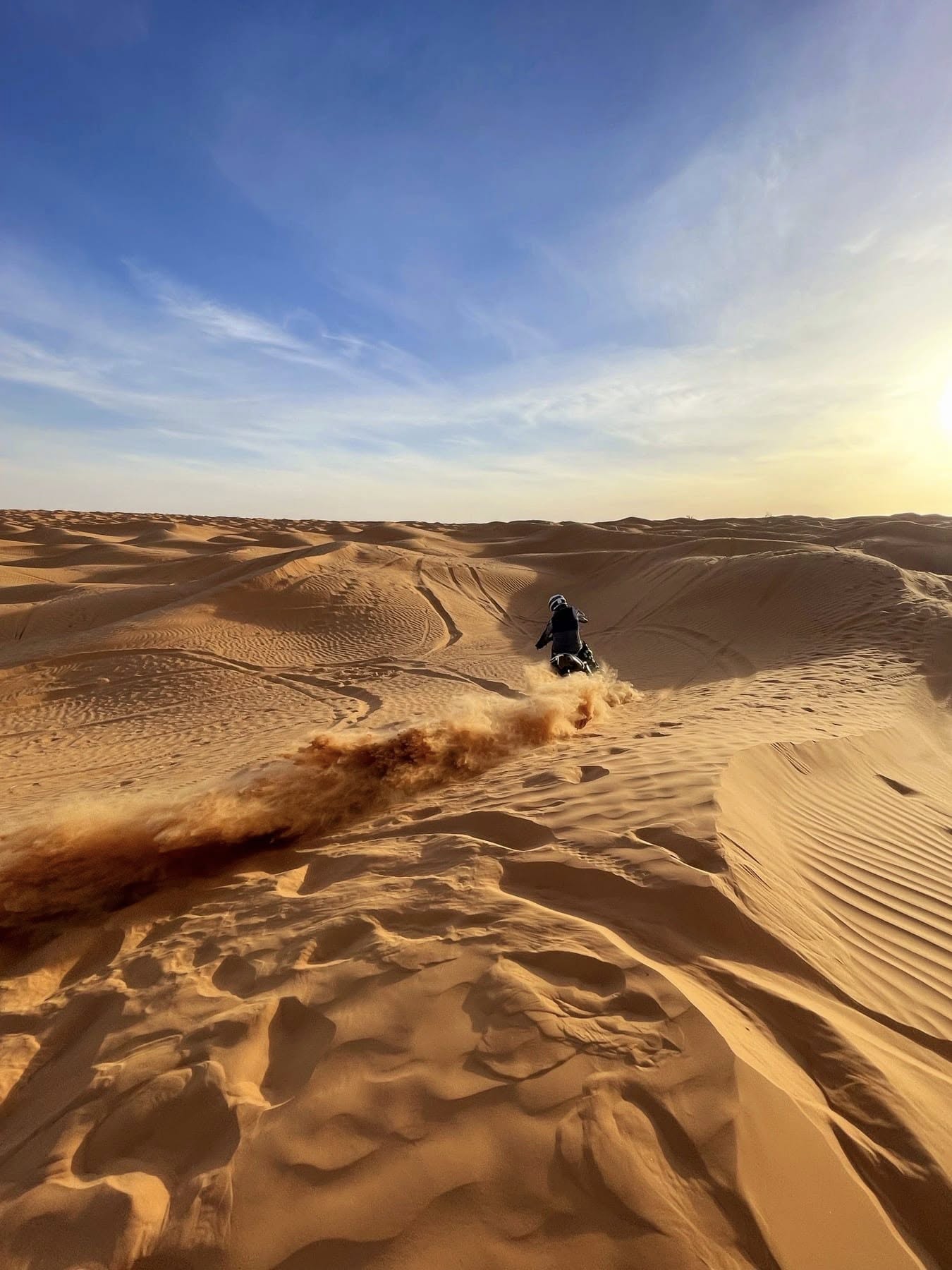
The program is designed as a progressive rally training that combines navigation, desert riding technique, racecraft, and real-world rally scenarios. Riders without previous desert experience are guided step by step, while experienced rally competitors receive advanced navigation challenges and higher pace sections.
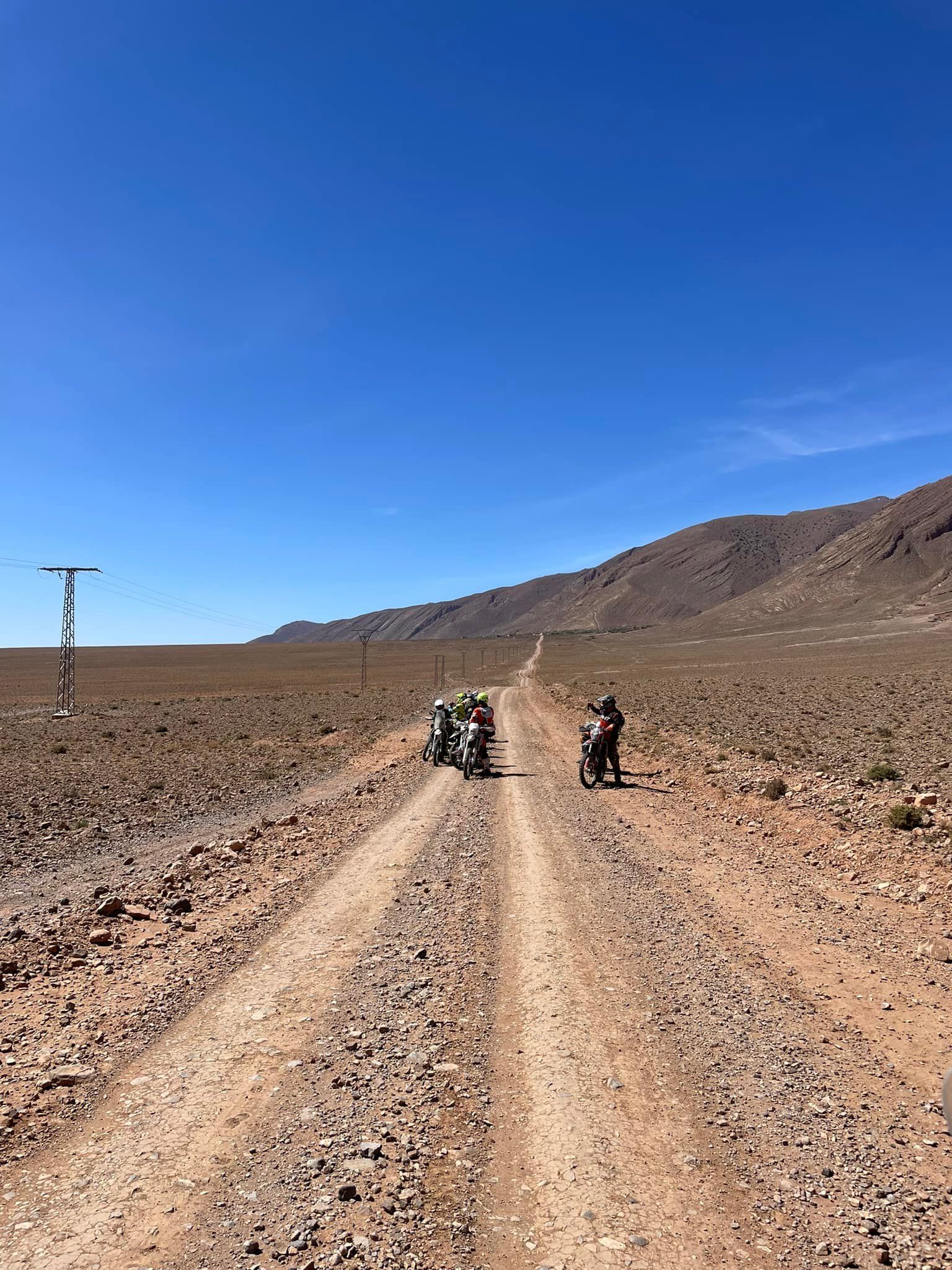
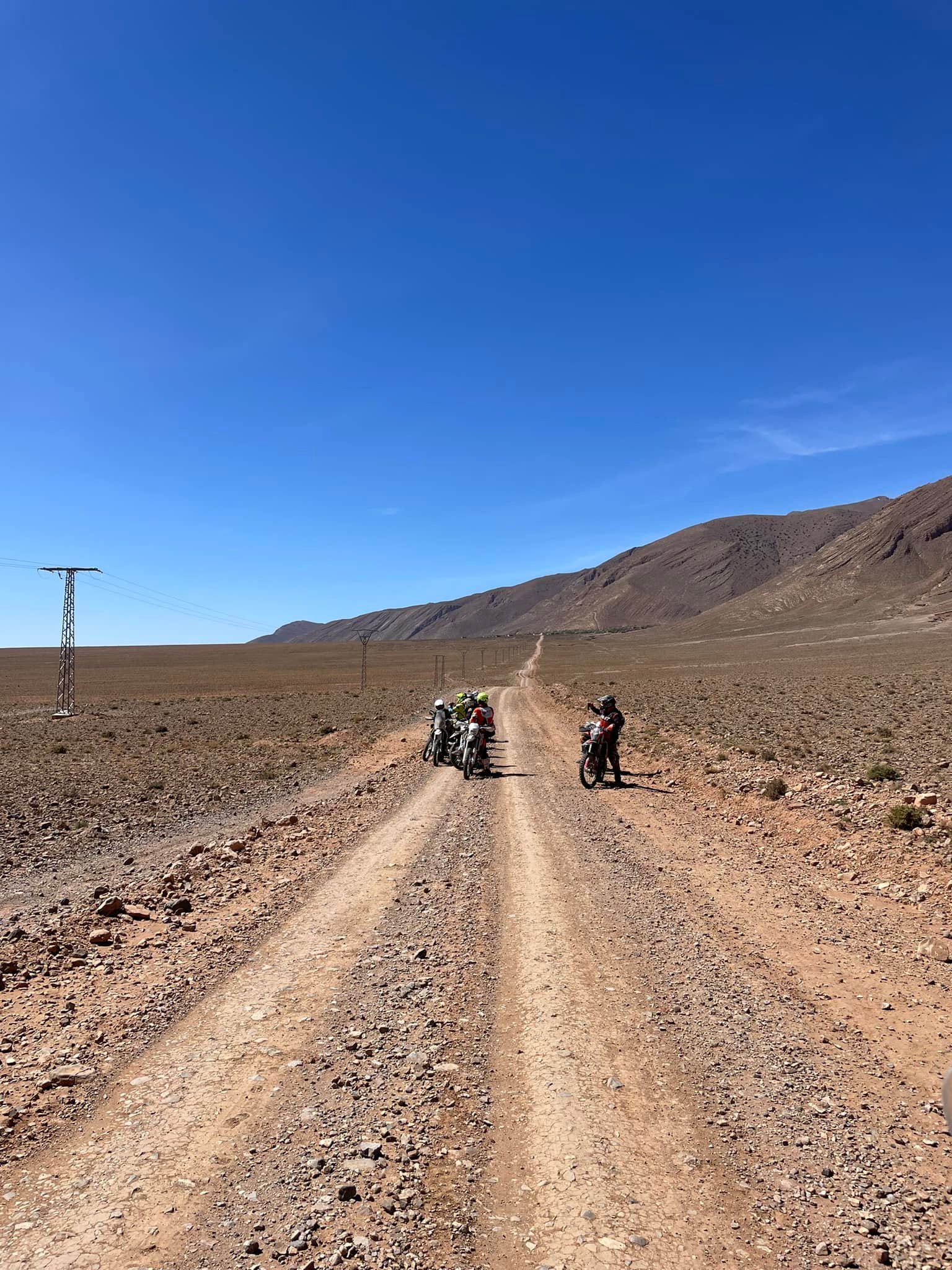
The training takes place across some of the most iconic rally regions of southeastern Morocco, including Erfoud, Merzouga, Erg Chebbi, Ouzina, Ramlia, Taouz, Jebel Zireg, Gara Medouar, the Ziz Valley and the vast Hamada plateaus bordering the Algerian frontier.
Distances and terrain are adjusted daily according to the group’s experience, weather conditions and progress.
- Total riding distance: approximately 1,500 km
- Off-road ratio: approximately 80%
- Dates: 14 – 19 March 2027
- Region: Ziz Valley, Merzouga, Erg Chebbi, Erfoud, Risani, Taouz, Ouzina
- Focus: Roadbook navigation, dunes and wadies riding technique
- Format: Small groups, two riding levels if needed, daily briefings and evening reviews
- Skill: Rally basic training or at least 5.000 of offroad experience
Program
Day 0
Registration, Technical Setup and Rally Preparation
Arrival in Erfoud.
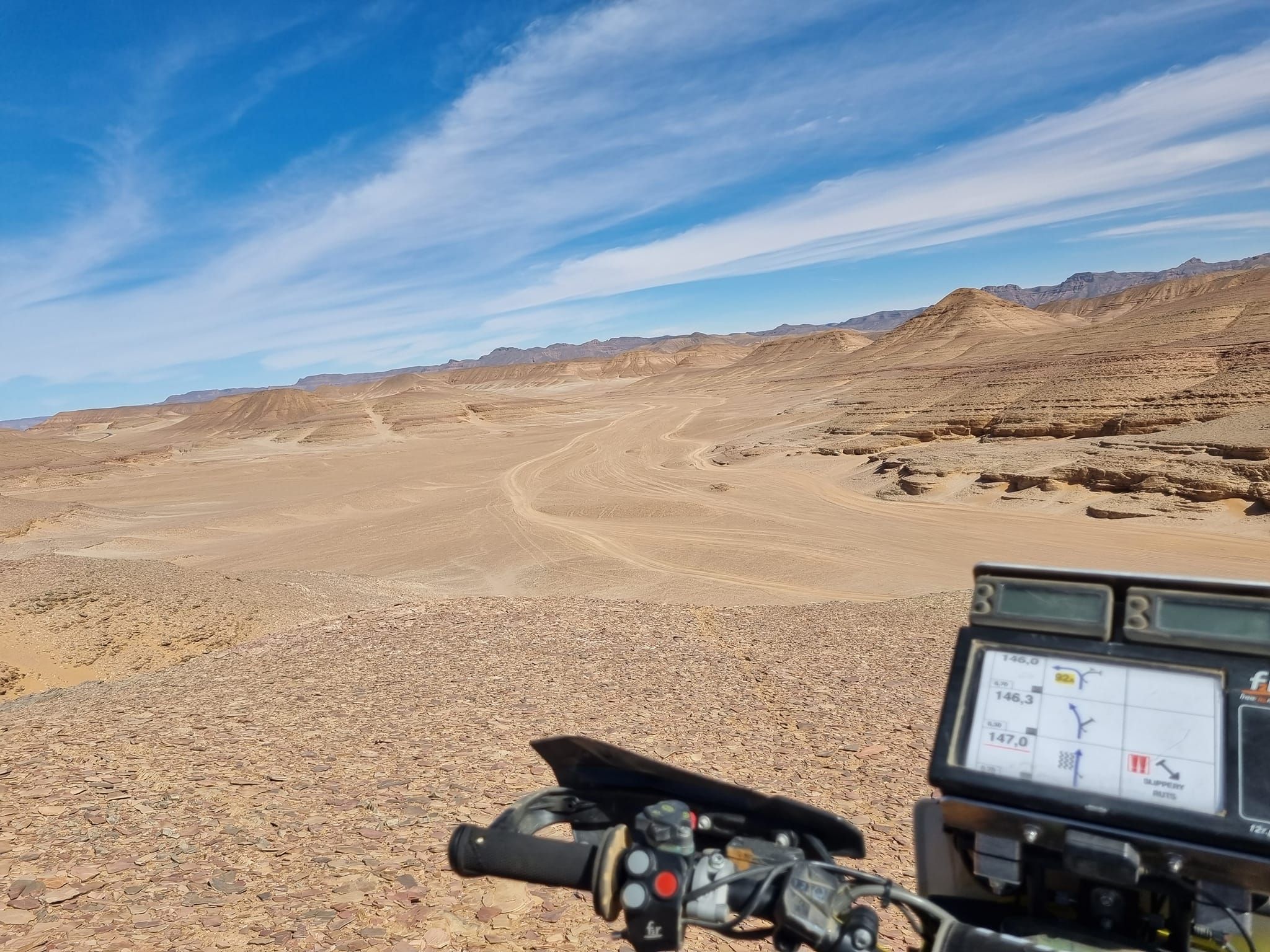
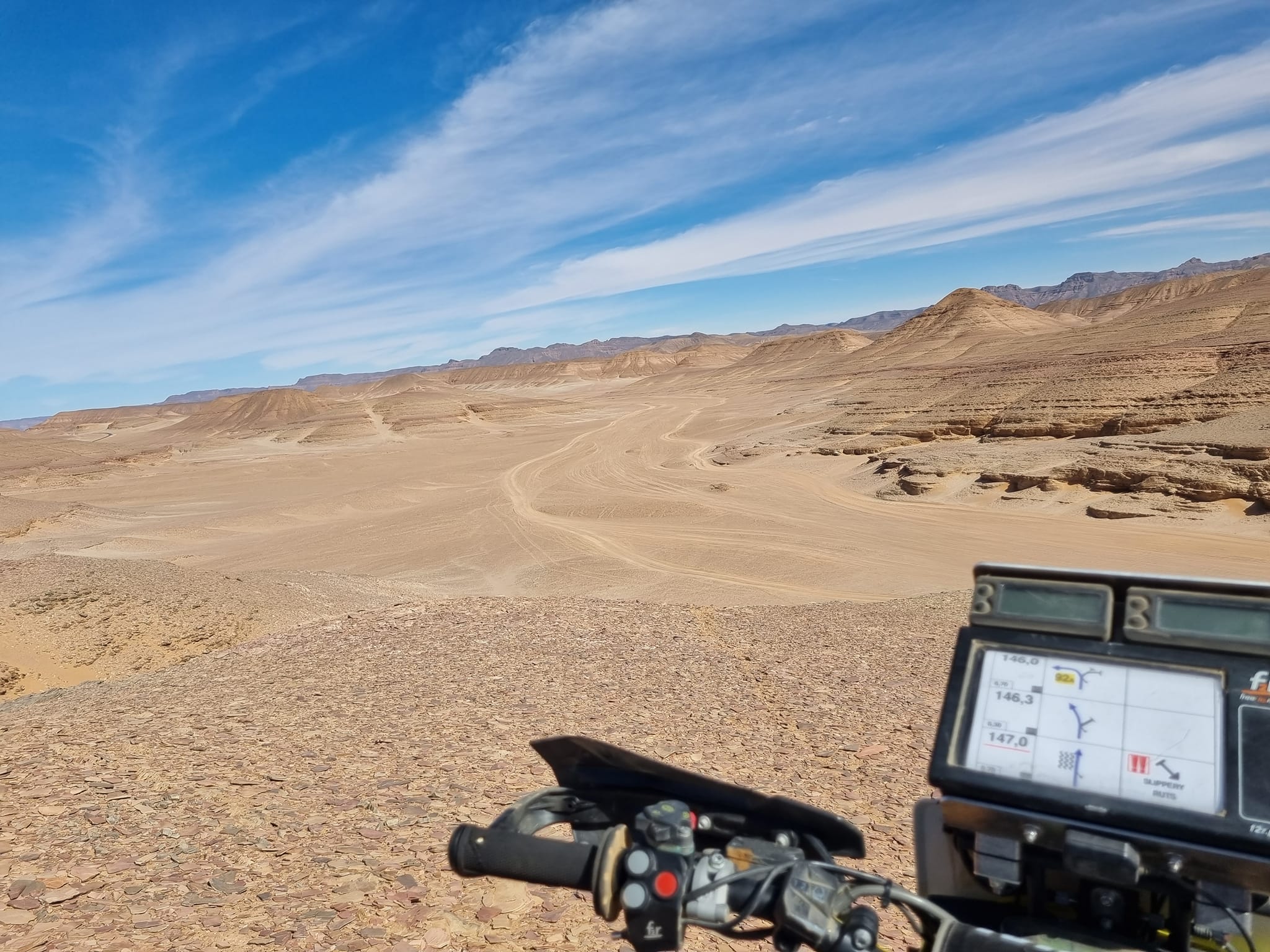
Registration, motorcycle inspection and installation of rally equipment. Setup and calibration of roadbook readers, tripmasters, CAP repeaters and GPS backup devices. Tracker installation and briefing on safety procedures, emergency protocols and desert communication.
Practical workshop:
- Roadbook holder setup
- Odometer calibration
- CAP heading fundamentals
- Rally cockpit ergonomics
- Desert preparation and equipment management
- Tyres, mousse and pressure management
Short test ride around Erfoud to verify equipment functionality.
Evening presentation:
How a rally really works
- Rally stages
- Liaison sections
- Refuelling procedures
- Waypoints and penalties
- Navigation strategy
- Energy management during multi-day events
DAY 1
Roadbook Fundamentals and First Sand Experience
Distance: approximately 180 km
The first riding day focuses on building confidence with roadbook navigation while introducing riders to Morocco’s unique terrain.
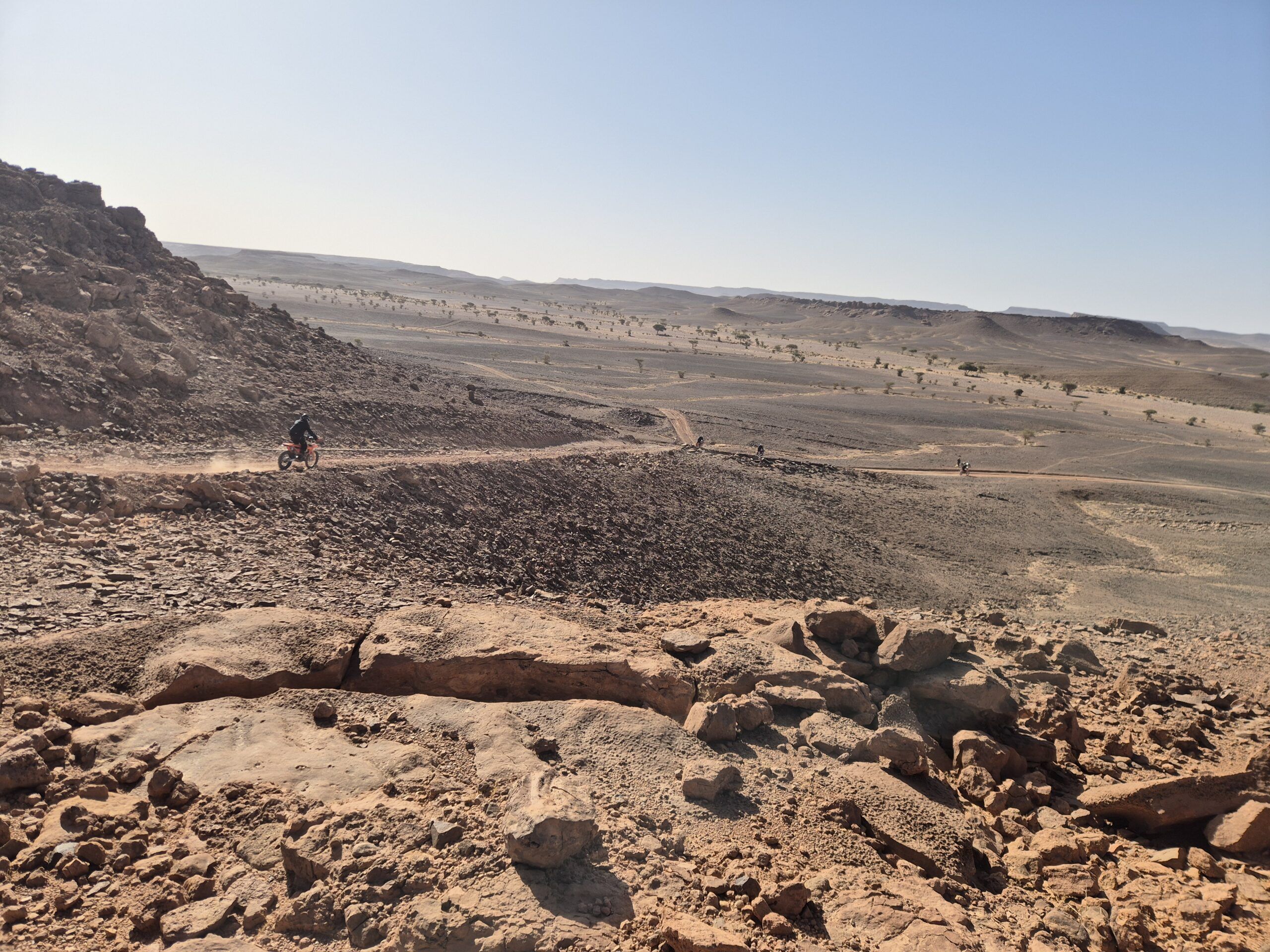
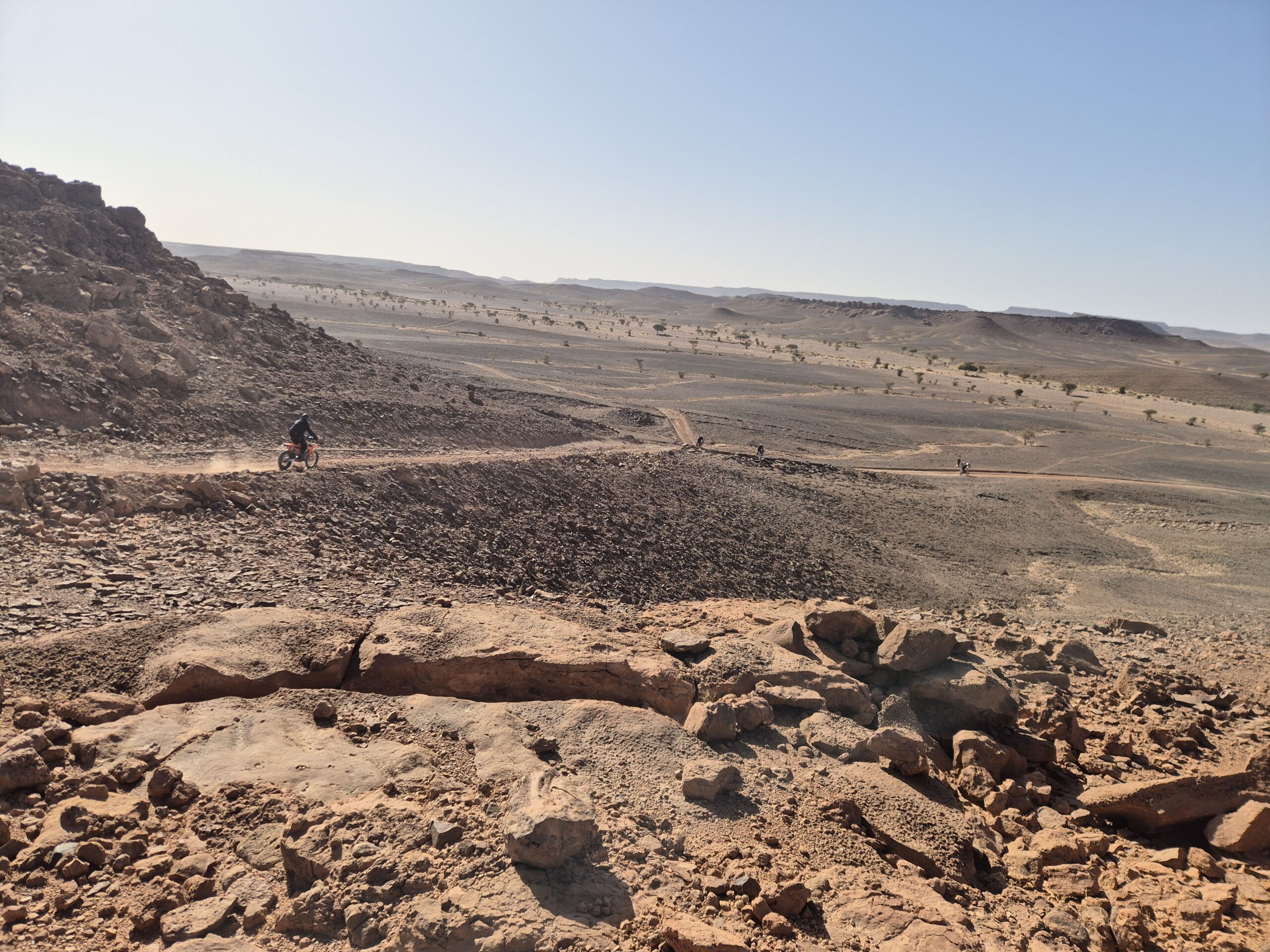
Route includes gravel pistes, dry riverbeds (oueds), rocky plateaus and the first soft sand sections south of Erfoud.
Training topics:
- Reading and interpreting roadbook symbols
- Tulips and navigation hierarchy
- Odometer management
- CAP headings in practice
- Navigation discipline
- Reading terrain ahead
- Body positioning in sand
- Throttle control fundamentals
- Standing posture and weight transfer
Terrain:
- Hamada
- Oueds
- Gravel pistes
- Small dune systems
- Acacia-covered desert
Overnight debriefing includes roadbook analysis and common navigation mistakes.
DAY 2
Desert Speed, Momentum and Terrain Reading
Distance: approximately 220 km
Fast desert riding between Erfoud, Ouzina and Ramlia.
The day introduces higher speeds and teaches riders how to safely interpret terrain while maintaining momentum.
Training topics:
- Choosing the safest line
- Reading colour changes in terrain
- Spotting hidden washouts
- Fesh-fesh recognition
- Camel grass hazards
- Crossing erosion channels
- Momentum management
- Braking techniques in soft terrain
- Vision and scanning techniques
Terrain:
- Open desert plains
- Low dune corridors
- Volcanic gravel
- Sandy valleys
- Fesh-fesh sections
This is the first day where riders begin to experience genuine rally-stage conditions.
DAY 3
Advanced Navigation and Rally Scenarios
Distance: approximately 240 km
A long navigation day through the Ziz Valley, Gara Medouar region and remote desert tracks.
The focus shifts from riding technique toward decision-making and navigation accuracy.
Training topics:
- Advanced CAP navigation
- Hidden waypoints
- Waypoint validation strategy
- Navigation under pressure
- Identifying navigation traps
- Route confirmation techniques
- Parallel tracks and route selection
- Managing uncertainty
- Time versus precision
Practical exercises include deliberately placed navigation challenges similar to those used in international rally raids.
Terrain:
- Canyon systems
- Rocky plateaus
- Dry lakebeds
- Mountain crossings
- Navigation-intensive desert tracks
Evening classroom session:
How professional rally riders approach a stage
DAY 4
Erg Chebbi Dune Academy
Distance: approximately 180 km
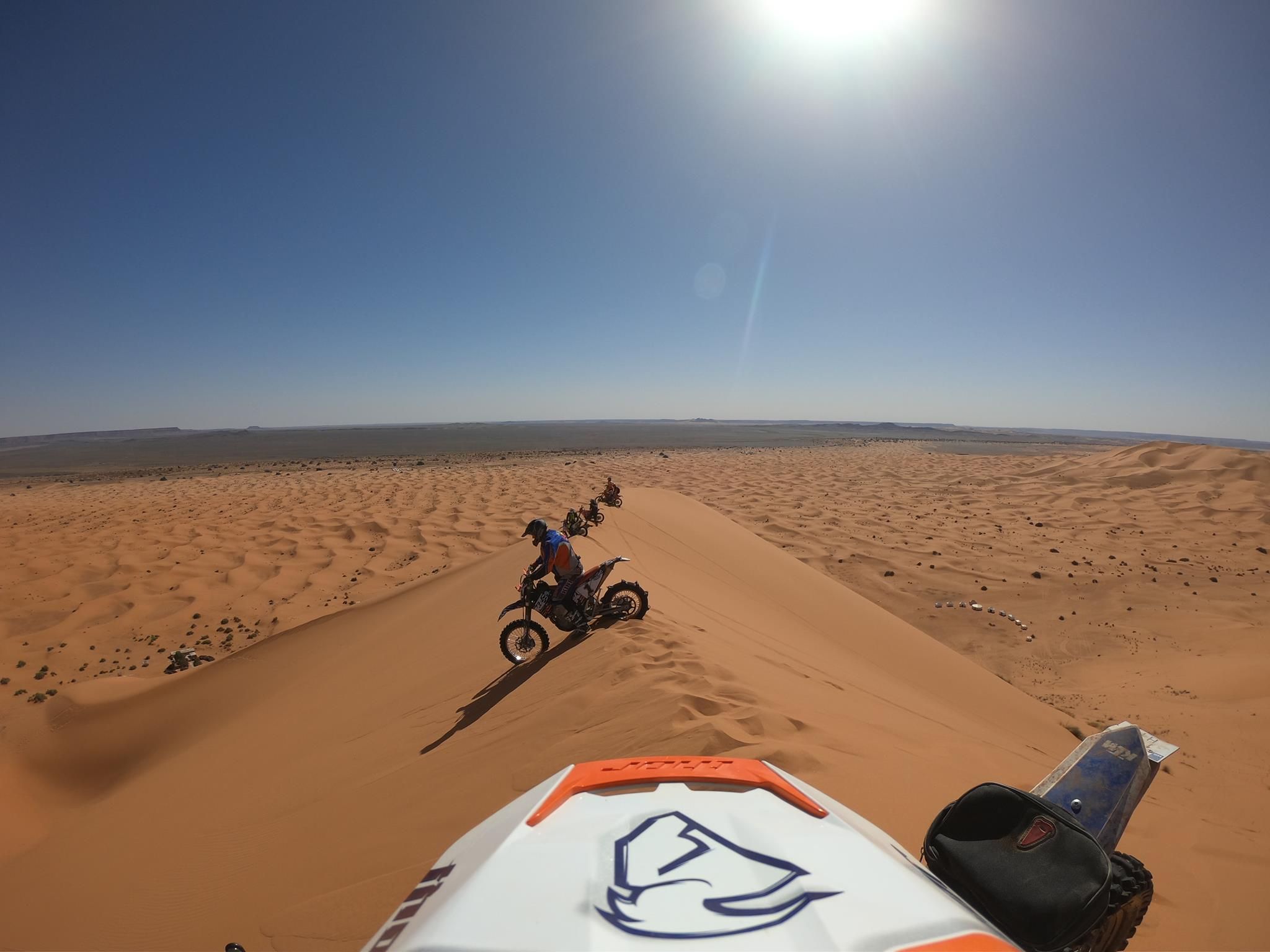
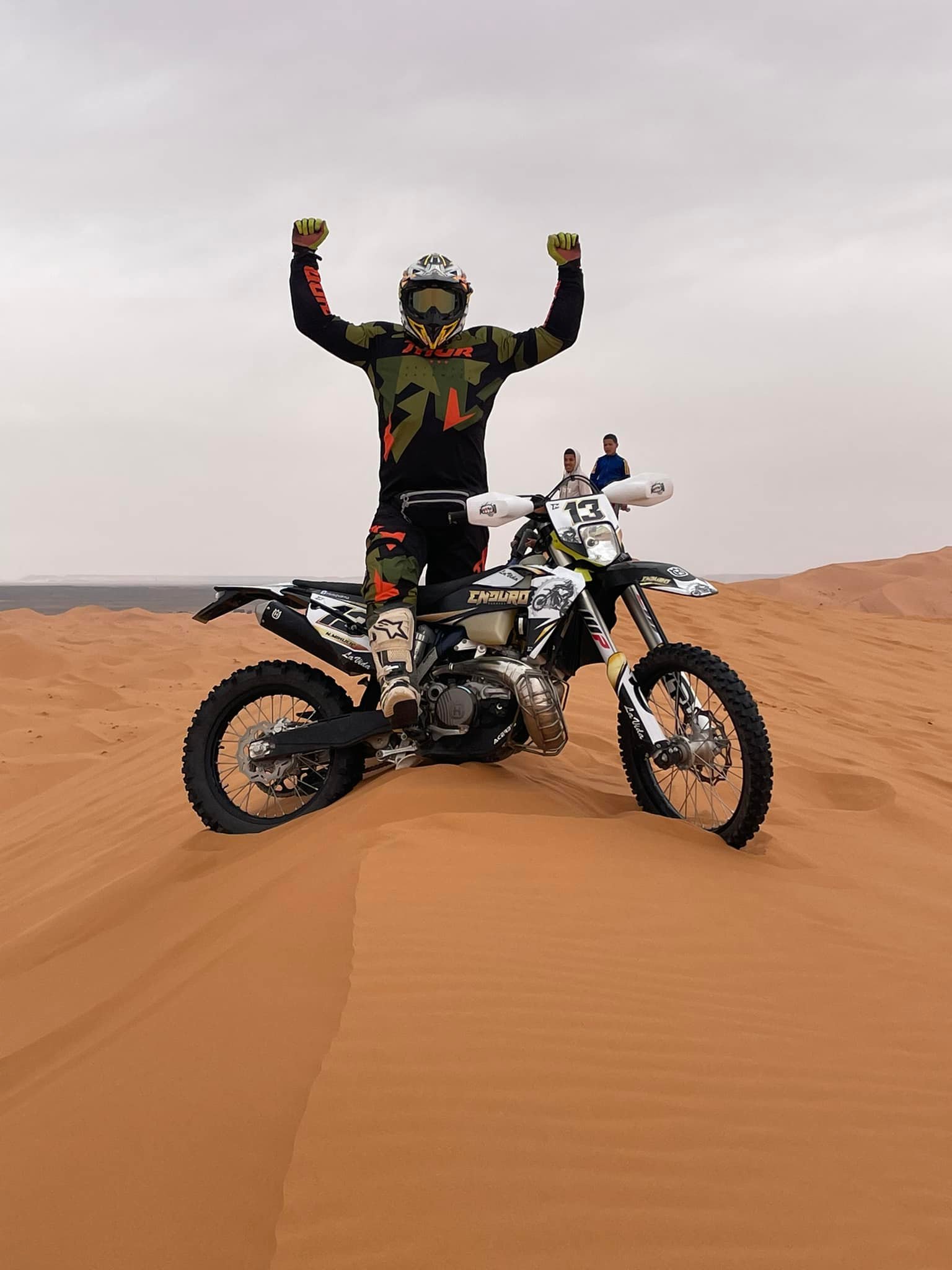
A full day dedicated to the dunes of Erg Chebbi.
Riders are divided into groups according to experience and confidence.
Training topics:
- Dune approach strategy
- Reading dune formations
- Crest management
- Sidehilling
- Safe descents
- Recovery techniques
- Turning on slopes
- Controlled stops in dunes
- Dune rescue procedures
- Riding in groups inside dune fields
Terrain:
- Small dunes
- Medium dunes
- High slipfaces
- Soft bowls
- Technical dune corridors
The goal is not speed but control, understanding and confidence.
DAY 5
The Grand Merzouga Rally Loop
Distance: approximately 330 km
The longest and most rally-oriented day of the training.
A complete loop around Erg Chebbi passing through Taouz, Ouzina, Ramlia and remote desert sectors rarely visited by tourists.
This day simulates a genuine rally stage.
Training topics:
- Stage strategy
- Fuel management
- Navigation at race pace
- Maintaining concentration
- Managing fatigue
- Reading terrain at speed
- Risk assessment
- Mechanical preservation
Terrain:
- Dunes
- Sandy pistes
- Rocky riverbeds
- Palm oases
- Desert villages
- Dry lakes
- Open high-speed sections
Participants ride mostly independently while instructors monitor progress and provide support.
DAY 6
Marathon Stage Simulation
Distance: approximately 350 km
The final day combines everything learned during the week into a realistic rally experience.
A long route through some of Morocco’s most spectacular rally terrain including sectors near Jebel Zireg, remote hamada plateaus and fast desert valleys.
The day includes navigation exercises, hidden checkpoints and real rally decision-making scenarios.
Training topics:
- Complete stage execution
- Independent navigation
- Roadbook discipline
- Risk versus reward
- Fatigue management
- Desert self-sufficiency
- Mechanical awareness
- Rally mindset
Terrain:
- Open desert
- Rocky plateaus
- Fast gravel
- Sand corridors
- Dry river systems
- Scenic mountain sectors
The objective is to finish the week riding and navigating with confidence rather than simply following others.
Training objectives
By the end of the program participants will have learned:
- Roadbook navigation fundamentals
- CAP navigation techniques
- Odometer management
- Waypoint strategy
- Rally safety procedures
- Desert riding techniques
- Dune riding and recovery
- Terrain reading
- Speed management
- Navigation decision making
- Stage strategy
- Energy and hydration management
- Mechanical awareness in rally conditions
Most importantly, riders leave with the confidence required to participate safely and independently in international rally raids such as Dinaric Rally, Hellas Rally, Olympia Rally, Carta Rallye, Tuareg Rallye, Africa Eco Race preparation events and similar competitions worldwide.
Safety and Support
- Small groups: limited headcount for personal attention and clear supervision.
- Instructors always present: experienced rally riders guide on terrain and in evening sessions.
- Dedicated safety team: on-terrain presence with support and recovery vehicles.
- Daily briefings: route, hazards, fuel and water planning, communication protocols.
- Mechanic assistance: basic maintenance and quick repairs to keep you riding.
Riding Locations
- Erg Chebbi dunes and Merzouga for progressive dune skills.
- Hamada plateaus outside Erfoud for fast gravel practice and navigation rhythm.
- Dayet Srji, Taouz and Ouzina dry lakebed near Merzouga for orientation and linking sections.
- Settlements and crossroads around Hassi Labied, Khamlia and M’fis for roadbook navigation preciseness training.
Logistics and Inclusions
- Base: Hotel Tombouctou in Merzouga, half board. Single room available for an extra surcharge.
- Included: Terra Pirata, FIM / FIA standard raodbooks, Tracking and Safety devices, CAP heading; !!!, !! and Speeding watnings, guidance and instruction, snacks and water, daily briefings, evening roadbook analysis, support and assistance on terrain.
- Not included: flights and local transfers, fuel, bar drinks, travel insurance. International health insurance with emergency repatriation is required
- Suggested arrival route: Flight via Casablanca to Errachidia. Rent a car or taxi to the hotel in Merzouga (cca 2h driving).
Bike options
- Your own rally or enduro bike in good technical condition, transported to Morocco by yourself or our partner rally suport agency. Contact us for the transport…
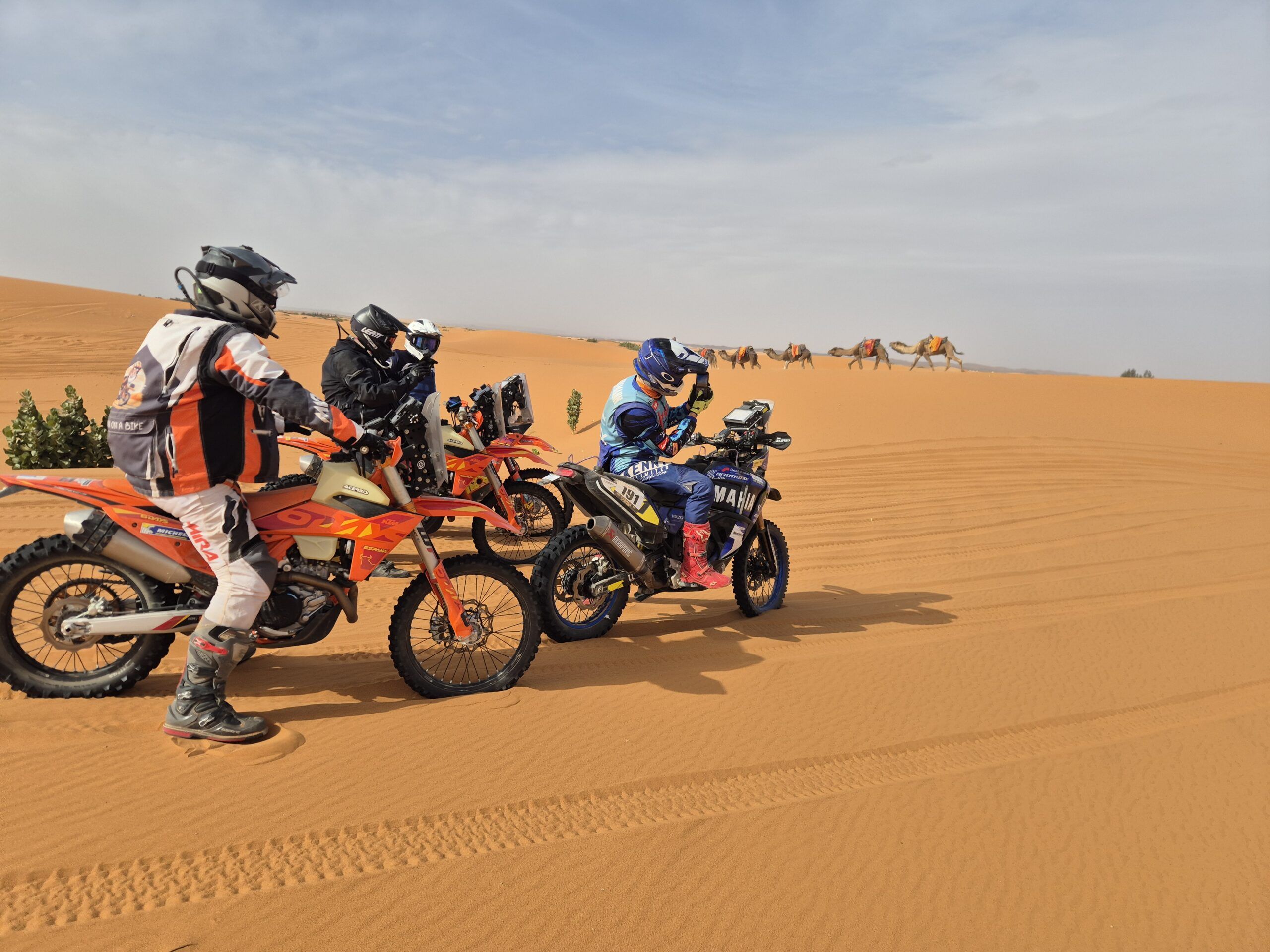
- Rental options (new mousses / tubes, oil and filters change and regular maintenace included)
- KTM EXC 450 (310 eur / day)
- YAMAHA 700 Ténéré (260 eur / day)
- Pick up and drop back at the hotel in Morocco
- To make the reservation, contact us at [email protected]
Who Should Join
- Riders with no prior desert experience who want a structured and safe introduction to dunes and roadbook.
- Off road riders who want to add navigation skills and confidence on sand to their toolbox.
- Rally enthusiasts preparing for larger events who want realistic Morocco terrain and steady coaching.
Vehicle Transport and Import to Morocco
One of the most common questions we receive is: “How do I get my motorcycle, quad, SSV or support vehicle to Morocco?”
The answer depends on who is travelling with the vehicle, who owns it and how it is being transported.
The good news is that Morocco is generally very welcoming to foreign vehicles and the process is usually straightforward when properly prepared. The bad news is that mistakes with ownership documents, temporary import procedures or transport arrangements can quickly turn into a customs headache.
We can help with bike rental or / and with the transportation of your vehicle from Europe to Morocco. Contact us if you need our assistance but before that, read the guide below please.
This guide explains the most common scenarios.
Entering Morocco With Your Own Vehicle
You may enter Morocco with your own:
- Motorcycle
- Quad
- SSV
- Car
- Camper
- Van
Foreign vehicles are normally admitted under Morocco’s Temporary Admission procedure. In most cases, no ATA Carnet is required when the owner enters Morocco together with the vehicle.
The temporary import procedure is completed upon arrival and linked directly to the traveller’s passport and vehicle registration.
You will normally need:
- Passport
- Original vehicle registration document
- Valid driving licence
- Insurance valid in Morocco
- Any ownership authorizations required for your situation
The vehicle must leave Morocco before the temporary import period expires.
One Passport = One Vehicle
One of the most important things to understand is that Moroccan customs generally links one temporarily imported vehicle to one person.
Examples:
- Motorcycle = one vehicle
- Quad = one vehicle
- SSV = one vehicle
- Car = one vehicle
- Van = one vehicle
- Camper = one vehicle
This becomes important when travelling with multiple vehicles.
Examples that may require additional arrangements:
- Van carrying a motorcycle
- Car and trailer carrying motorcycles
- Multiple motorcycles travelling under one person’s documentation
- Support vehicles transporting additional vehicles
If your setup involves multiple vehicles, verify the requirements before departure.
Vehicles Registered in Someone Else’s Name
If the vehicle is not registered in your name, Moroccan customs may require proof that you are authorized to use and import it.
This commonly applies to:
- Borrowed motorcycles
- Family-owned vehicles
- Vehicles registered to a spouse
- Vehicles registered to parents or friends
- Company-owned vehicles
- Club-owned vehicles
In such cases, a notarized authorization or power of attorney may be required.
Company-Owned Vehicles
Additional documentation may be required when a vehicle is registered to a company rather than a private individual.
Depending on the situation, customs authorities may request:
- Company authorization letter
- Proof of employment or relationship to the company
- Power of attorney
- Company registration documents
Requirements may vary depending on the country of registration and ownership structure.
Leased and Financed Vehicles
If your vehicle is leased or financed, contact the leasing company or finance provider before travelling.
Many leasing agreements require written authorization before a vehicle may leave the European Union or enter Morocco.
Never assume that standard registration documents alone will be sufficient.
Rental Vehicles
Rental vehicles require special attention.
Many rental agreements either prohibit travel to Morocco entirely or require advance authorization from the rental company.
If you intend to enter Morocco with a rented motorcycle, car, van or camper, verify the rental company’s policy before making travel arrangements.
We can help with the rent of the vehicles. Contact us!
Vehicles Transported by Third Parties
Some participants choose to use independent transport companies to move motorcycles, quads, SSVs or support vehicles to Morocco.
If you decide to use a transport company, make sure all ownership, customs and documentation requirements are clearly understood before departure.
Vehicles Transported by Our Partners
We work with transport partners across Europe who can collect motorcycles from different regions and bring them to our main transport route from Croatia to Morocco. Your motorcycle will be waiting for you at the training base when you arrive. Contact us!
Group Transport and ATA Carnets
Different customs procedures may apply when multiple vehicles are transported together.
In these situations an ATA Carnet may be required.
An ATA Carnet is an international customs document used for the temporary import of vehicles, equipment and goods without paying import duties.
Depending on the operation, it may cover:
- Motorcycles
- Quads
- SSVs
- Cars
- Support vehicles
- Spare engines
- Spare gearboxes
- Wheels and tyres
- Tools
- Workshop equipment
- Generators and technical infrastructure
ATA Carnets are primarily relevant to professional transport operations and large group logistics.
Temporary Import Period
Foreign vehicles entering Morocco under Temporary Admission may normally remain in the country for a limited period, typically up to six months.
The vehicle must leave Morocco before the permitted period expires.
Failure to properly close the temporary import procedure can create serious complications for future entries into Morocco.
Can Someone Else Take My Vehicle Out of Morocco?
Do not assume that a vehicle imported by one person can automatically leave Morocco with another person.
Vehicles are linked to customs records created during entry, and changes involving ownership, drivers or export arrangements may require additional procedures.
If you expect any changes while the vehicle is in Morocco, verify the requirements before departure.
What Happens If a Vehicle Is Stolen or Destroyed?
If a vehicle imported under Temporary Admission is stolen, written off or otherwise unable to leave Morocco, customs procedures must still be completed.
Police reports and additional documentation may be required.
The customs obligation associated with the temporary import does not automatically disappear simply because the vehicle has been damaged or stolen.
Insurance
Your vehicle must be insured in Morocco.
Depending on your insurer and country of registration, coverage may be provided through your existing Green Card insurance or may require purchasing a local Moroccan insurance policy upon arrival.
Always verify coverage before travelling.
Before You Leave
We strongly recommend checking the requirements in advance if any of the following apply to your situation:
- Vehicle registered to a company
- Vehicle registered to another person
- Leased vehicle
- Financed vehicle
- Rental vehicle
- Trailer transport
- Multiple vehicles
- SSV transport
- Third-party vehicle transport
A few emails or phone calls before departure can prevent a great deal of frustration at the border.
Morocco is generally straightforward when the paperwork matches the reality. Most customs problems occur when participants assume that ownership, transport or import requirements are the same as elsewhere in Europe.
FAQ
Do I need previous desert experience?
No. The program is designed for all levels, with small groups and two levels if needed. You progress step by step.
Is the training very physically demanding?
The desert always requires respect, but this camp is paced for learning. Routes and distances are adapted to the group, with frequent guidance and breaks.
How is safety managed?
Instructors and a dedicated safety team are always present. We use support vehicles, clear briefings and constant communication. You are never left alone.
Which bikes can I ride?
Bring your own well prepared bike or request a rental option such as Yamaha Ténéré 700, KTM 450 Rally Replica or KTM 450 Enduro, depending on availability.
What gear is mandatory?
Helmet and goggles, motorcycle boots, gloves, chest and back protection. Hydration pack! A full list is provided upon registration.
What about insurance?
International health insurance with emergency repatriation is mandatory for all participants.